
Build a practical digital transformation roadmap with step-by-step guidance and downloadable PDF templates. Digitize processes and achieve measurable results.

Key Takeaways
- A digital transformation roadmap is a structured, time-bound plan that connects your current operations, business goals, and technology initiatives into phased, measurable steps.
- Successful roadmaps start with an honest assessment of existing processes, pain points, and manual workflows before prioritizing high-impact initiatives.
- Execution is where roadmaps succeed or fail, and no-code platforms enable business users to rapidly digitize inspections, audits, and field data collection without IT bottlenecks.
- Alpha TransForm helps manufacturing and field operations teams turn paper forms into mobile apps in hours, delivering offline reliability and fast ROI that keeps digital transformation moving forward.
What Is a Digital Transformation Roadmap?
A digital transformation roadmap is a structured plan that maps your current state to your desired future through sequenced initiatives, clear timelines, and measurable outcomes. Unlike a generic IT strategy, a roadmap focuses on concrete changes to processes, customer experiences, and operational workflows rather than just new tools.
For manufacturing plants, field service teams, and operations leaders, this means identifying where paper-based inspections, manual checklists, and disconnected spreadsheets create bottlenecks. A good roadmap prioritizes these pain points, assigns owners, and sets realistic milestones, so everyone knows what transformation actually looks like.
|
Alpha TransForm: Digital Solutions to Collect, Analyze, and Act on Data Turn Paper Forms Into Mobile Apps in Minutes | No IT Team Required | Works Offline | Trusted by Manufacturing & Field Teams  Why Business Leaders Choose Alpha TransForm: ✓ Built-in custom dashboards and workflows to trigger business activity✓ Seamless integration with existing business systems ✓ Replace Excel with digital data collection and analysis ✓ Rapid digitization—build apps in days without IT bottlenecks ✓ Proven ROI with scalable start-small approach ✓ Trusted by manufacturing, construction, and healthcare leaders From Paper to Digital in 3 Steps 1. Upload your paper form or start from scratch2. Customize fields and logic as needed 3. Deploy to mobile devices and start collecting data instantly Stop losing time with paper processes. Start delivering business value today.
|
Why You Need a Roadmap

A digital transformation roadmap helps prioritize projects, manage risk, and keep teams aligned on goals and timelines.
Without a roadmap, digital transformation often becomes a collection of scattered pilots and stalled projects that never scale. Teams chase trendy technologies without connecting them to specific business goals, leaving leadership without visibility into what is working and what is not.
A well-designed roadmap helps you prioritize the right projects, sequence them in realistic phases, and manage risk with governance and feedback loops. It also creates a shared reference point that keeps executives, operations, and front-line staff aligned on what needs to happen and when. For manufacturing and field operations, this alignment is critical because improvements to inspections, audits, and compliance processes ripple across the entire organization.
Step 1: Assess Your Current State
Every roadmap starts with a clear-eyed assessment of where you are today. This includes documenting existing systems, manual processes, data quality issues, and operational bottlenecks across departments.
A practical approach is to run workshops with operations and IT stakeholders to capture your current state. Document key processes such as equipment inspections, 5S audits, Gemba walks, and inventory checks alongside the tools currently used, integration gaps, pain points like delays or rework, and associated costs.
Focus on questions like: Where are we still using paper forms? Which processes require data re-entry? Where do inspections stall because of poor connectivity? These answers reveal where digitization will have the biggest impact.
Step 2: Define Your Vision & Outcomes
Once you understand your baseline, define what digital success looks like for your organization. This vision should connect directly to the business strategy, whether that means improving compliance, reducing inspection cycle times, or eliminating paper-based data-entry errors.
Translate this vision into measurable outcomes. For example, a manufacturing plant might target reducing equipment inspection time by 40 percent or achieving 100 percent digital documentation for ISO audits. Document these targets with current metrics, target metrics, and timeframes for each objective, so your team has clear goals to work toward.
Step 3: Identify & Prioritize Initiatives
With vision and outcomes in place, brainstorm potential initiatives that close the gap between your current state and desired future. For operations teams, these often include digitizing inspection checklists, launching mobile apps for field data collection, automating compliance reporting, or integrating disconnected data sources.
Rank each idea based on impact, effort, risk, and strategic alignment. This framework helps you focus on high-impact, feasible projects that deliver quick wins while laying the foundation for larger initiatives. An offline Gemba walk app might score higher than a complex ERP integration because it delivers immediate value with minimal risk.
Step 4: Design Your Roadmap Timeline
Organize your prioritized initiatives into a phased timeline, typically broken into short-term (0 to 6 months), mid-term (6 to 18 months), and long-term (18 to 36 months) horizons. Group initiatives into logical phases such as "stabilize core processes," "quick wins," "scale and integrate," and "optimize and innovate."
Visualize this plan as a one-page document showing key projects, start and end dates, dependencies, and major milestones by quarter. This becomes a powerful communication tool for steering committees and cross-functional teams who need to see the big picture at a glance.
Step 5: Establish Governance & Operating Models
Digital transformation touches data, security, compliance, and user experience, so you need clear governance to manage risk and maintain quality as you move faster. Define roles and responsibilities, approval processes, standards, and guardrails for both IT-led and business-led initiatives.
Clarify who owns which decisions, from data security policies to app deployment and change management. This is especially important when empowering business users to build apps with no-code tools, as it ensures innovation occurs within appropriate guardrails.
Step 6: Execute with No-Code & Fusion Teams
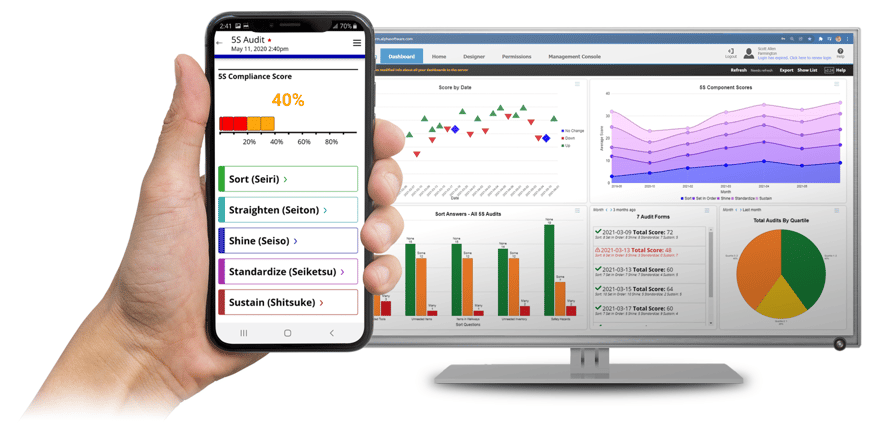
No-code platforms and fusion teams enable organizations to rapidly deploy mobile apps for inspections, audits, and compliance documentation in hours.
Execution is where the roadmap becomes reality, yet traditional development often struggles to keep pace with demand. No-code platforms enable business users and operations leaders to collaborate with IT to deliver mobile apps much faster than with conventional coding approaches.
By forming fusion teams that combine IT professionals, business technologists, and operations experts, organizations can rapidly prototype, test, and deploy apps that match roadmap priorities. For manufacturing and field operations, this means inspections, 5S audits, equipment checks, and compliance documentation can move from paper to mobile in hours rather than months.
Alpha TransForm is built for exactly this scenario. Business users upload existing paper forms or start from scratch, customize fields and logic as needed, and deploy to iOS and Android devices immediately. Apps work offline in warehouses, plants, and remote sites where connectivity is unreliable, then sync automatically when networks return. Features like photo capture with markup, barcode scanning, GPS location, timestamps, digital signatures, conditional logic, alerts, and dashboard integrations ensure field teams capture complete, accurate data every time.
Step 7: Measure Progress & Optimize
Effective roadmaps are living documents, not static plans. As initiatives roll out, track adoption, performance, and business impact to see where you are delivering value and where course corrections are needed.
Record key metrics like inspection cycle time, error rates, digital adoption, and compliance scores alongside notes on lessons learned. These insights feed back into your roadmap and inform the next wave of initiatives.
Free PDF Templates to Support Your Roadmap
Access these proven templates and frameworks developed by public sector organizations worldwide:
1. Digital Transformation Roadmap & Action Plan
Source: United Nations Development Programme (UNDP)
The UNDP provides a comprehensive methodology and manual for creating digital transformation roadmaps, originally developed for public institutions in Bosnia and Herzegovina but applicable across sectors.
What's included:
- Complete roadmap structure and methodology
- Annual action plan templates
- Strategic planning integration guidance
- Implementation phases and milestone planning
2. Digital Readiness Assessment
Source: United Nations Development Programme (UNDP) & Asian Productivity Organization (APO)
Comprehensive assessment tools to evaluate your organization's current digital maturity across nine key dimensions, including management, technology infrastructure, user-centric design, capabilities & skills, and digital ecosystem.
UNDP Assessment Tool includes:
- Digital readiness questionnaire covering 9 dimensions
- Scoring methodology and maturity levels
- Assessment templates for institutions and departments
- Gap analysis framework
APO Handbook includes:
- Step-by-step assessment process
- Organizational readiness evaluation frameworks
- Asia-Pacific case studies and examples
Why Alpha TransForm Accelerates Your Digital Transformation Roadmap
Alpha TransForm helps manufacturing teams turn digital transformation roadmap plans into working apps in hours, not months.
Alpha TransForm helps manufacturing and field operations teams turn roadmap plans into working apps fast. Instead of waiting months for IT to build custom solutions, business users digitize inspections, Gemba walks, 5S audits, equipment checks, and ISO compliance forms in hours.
Our platform’s offline-first technology ensures apps work reliably in plants, warehouses, and remote sites where connectivity is inconsistent. Field staff capture photos with markup annotations, scan barcodes, record GPS coordinates, collect digital signatures, and apply conditional logic without interruption. Data syncs automatically when networks return and flows directly into dashboards and existing business systems.
This speed-to-value matters for digital transformation. Quick wins build momentum, demonstrate ROI, and create buy-in for larger initiatives. Alpha TransForm delivers those wins without requiring coding skills or lengthy IT projects.
FAQs
What is the difference between a digital transformation roadmap and an IT strategy?
How long does it take to create a digital transformation roadmap?
What are quick wins in a digital transformation roadmap?
How do fusion teams accelerate digital transformation execution?
Why should operations leaders choose Alpha TransForm for their digital transformation roadmap?
*Note: Alpha TransForm is a no-code app builder developed by Alpha Software. Product features, availability, pricing, and results referenced are for informational purposes only and subject to change; actual capabilities and outcomes may vary based on configuration and use case. To confirm current offerings and pricing, talk to a Solutions Consultant.






Comment