
Learn how consumer goods brands digitize supply chains with Supply Chain 4.0, including key processes, requirements, and real-world examples from top brands.
Key Takeaways
- Supply Chain 4.0 replaces paper-based and siloed processes with connected digital systems that deliver real-time visibility across the entire value chain.
- Digitization processes in consumer goods span quality inspections, inventory tracking, demand forecasting, and supplier collaboration, all driven by mobile and cloud tools.
- Key requirements include offline-capable data capture, seamless system integration, real-time dashboards, and solutions that business users can deploy without heavy IT involvement.
- Walmart, Nestlé, and Igloo Products have achieved measurable results through supply chain digitization, including improved inventory accuracy and six-figure cost savings.
- Alpha TransForm helps consumer goods companies digitize paper-based supply chain processes in days, with no-code apps that work offline and integrate into existing business systems.
What Supply Chain 4.0 Means for Consumer Goods Companies
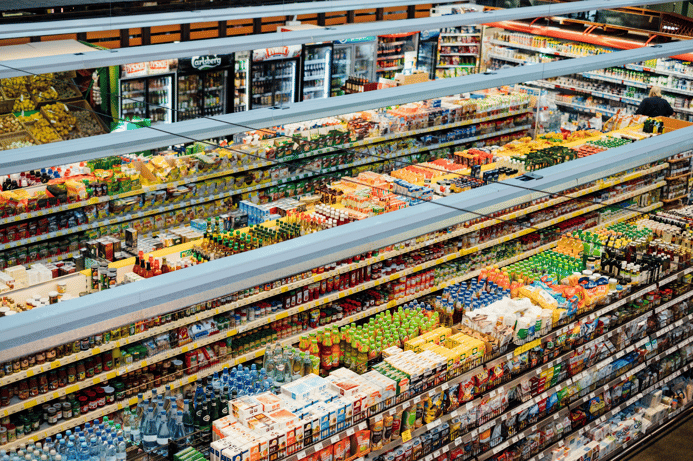
Walmart is deploying millions of IoT sensors across 4,600 stores, Nestlé is unifying 50,000 users on a single cloud platform spanning 112 countries, and Igloo Products has saved an estimated $145,000 by replacing every paper audit with a digital app. These results stem from digitizing the processes that carry the most waste: quality inspections plagued by transcription errors, inventory tracking reliant on lagging spreadsheets, and supplier collaboration that lacks real-time data sharing.
What separates companies that succeed from those that stall is the technology they choose. Factory floors, warehouses, and field environments demand solutions that work offline and sync automatically, deploy without weeks of IT development, integrate with existing ERP systems, and deliver real-time dashboards that turn captured data into immediate action. Companies meeting these requirements are scaling digitization in days, not months.
|
Alpha TransForm: Digital Solutions to Collect, Analyze, and Act on Data Turn Paper Forms Into Mobile Apps in Minutes | No IT Team Required | Works Offline | Trusted by Manufacturing & Field Teams  Why Business Leaders Choose Alpha TransForm: ✓ Built-in custom dashboards and workflows to trigger business activity✓ Seamless integration with existing business systems ✓ Replace Excel with digital data collection and analysis ✓ Rapid digitization—build apps in days without IT bottlenecks ✓ Proven ROI with scalable start-small approach ✓ Trusted by manufacturing, construction, and healthcare leaders From Paper to Digital in 3 Steps 1. Upload your paper form or start from scratch2. Customize fields and logic as needed 3. Deploy to mobile devices and start collecting data instantly Stop losing time with paper processes. Start delivering business value today.
|
How Are Consumer Goods Supply Chains Being Digitized?
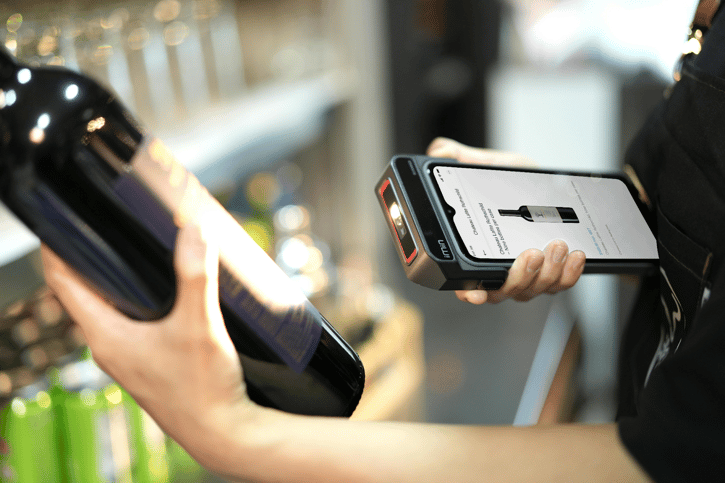
Consumer goods supply chains are being digitized through quality control apps, real-time inventory tracking, and digital supplier collaboration.
Digitization does not happen in a single sweep. In consumer goods, it typically unfolds across a few core processes that have the highest impact on efficiency and quality. Some of these processes include:
1. Quality Control and Inspections are often the first to go digital. Manufacturing teams replace paper audit sheets with mobile apps that capture inspection data, photos, timestamps, and signatures on tablets or smartphones. This eliminates transcription errors, speeds up root cause analysis, and creates a searchable digital record of every check.
2. Inventory Tracking and Demand Forecasting benefit enormously from digitization. Instead of relying on periodic manual counts or lagging spreadsheets, companies use connected sensors and cloud-based platforms to monitor stock levels in real time. When paired with analytics, this data enables more accurate demand forecasts, reducing both stockouts and excess inventory.
3. Supplier Collaboration and Traceability round out the picture. Digital platforms allow consumer goods companies to share data with suppliers instantly, track materials from origin to finished product, and ensure compliance with quality and sustainability standards.
Requirements for a Successful Supply Chain Digitization
Not every technology solution fits the realities of consumer goods operations. Factories, warehouses, and field environments come with specific challenges that any digitization tool must address.
Offline Capability
Many supply chain environments, from manufacturing floors to remote warehouses, lack or have unreliable internet connectivity. Any digital solution must work offline and sync data automatically once a connection is restored. Without this, teams revert to paper the moment the network drops.
Ease of Deployment Without IT Bottlenecks
Consumer goods companies often need to digitize dozens of processes across multiple facilities. If every change requires weeks of IT development, the rollout stalls. Solutions that empower business users (quality managers, operations leads, and supervisors) to build and modify their own apps dramatically speed adoption.
Integration With Existing Systems
Digitized data is most valuable when it flows into the systems a company already uses, such as ERP platforms, dashboards, or compliance databases. Seamless integration ensures that digitized inspection results, inventory counts, or audit data do not end up in yet another silo.
Real-Time Dashboards & Alerts
Operations leaders require immediate visibility into current events on the floor. Built-in dashboards and automated alerts (for failed inspections, low stock, or overdue audits) turn raw data into actionable business intelligence.
Real-World Examples of Supply Chain 4.0 in Consumer Goods
Walmart, Nestlé, and Igloo Products showcase how IoT sensors, AI planning, and digital audits are transforming consumer goods supply chains.
Walmart: Real-Time Inventory Visibility at Scale
Walmart has deployed millions of battery-free IoT sensors throughout its U.S. supply chain in partnership with Wiliot. As reported by CNBC, these sensors capture data on temperature, location, humidity, and dwell time across 500 locations, with plans to expand to 4,600 stores and over 40 distribution centers by the end of 2026. The system feeds real-time data into Walmart's AI models, which then optimize replenishment, flag inventory discrepancies, and reduce manual tracking tasks for associates.
Nestlé: AI-Powered Planning
Nestlé is rolling out what it describes as one of the largest SAP S/4HANA Cloud deployments in the world, connecting 50,000 users across 112 countries onto a single platform. This unified system gives Nestlé's warehouses, factories, and procurement teams access to the same real-time data, reducing the risk of supply gaps and enabling faster product launches. Nestlé has also partnered with OpenSC to pilot blockchain-based traceability, allowing consumers to trace dairy products from farm to factory.
Igloo Products: From Paper Audits to $145,000 in Savings
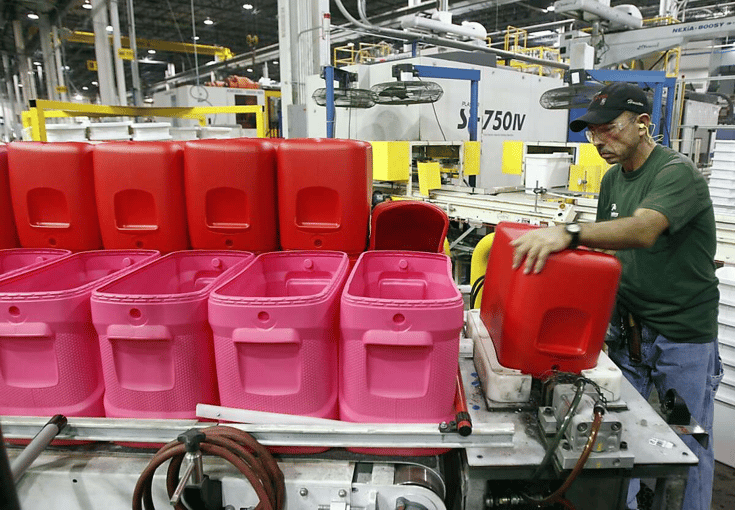
Igloo Products, the world's number-one cooler brand, runs a 1.8-million-square-foot manufacturing facility in Katy, Texas, producing 18 million coolers a year. As part of its Igloo Quality IQ365 initiative, the company replaced all paper-based quality audits with digital forms built using Alpha TransForm. Inspectors now use iPads to perform audits across molding and assembly processes, accessing a color-coded dashboard that shows machine status in real time.
The result was a 100 percent paperless operation, reduced data entry errors, and an estimated $145,000 in cost savings. What once required hours of searching through paper boxes now takes seconds with a digital search by date.
Why Businesses Choose Alpha TransForm for Supply Chain Digitization
Alpha TransForm helps businesses digitize supply chain processes fast without writing code and with real-time data visibility.
Our no-code platform lets operations managers and quality leads turn paper forms into mobile apps in minutes, without waiting on IT. These apps work fully offline in warehouses, manufacturing floors, and field locations, then sync data automatically when a connection is available. Built-in features like photo capture, barcode scanning, GPS tagging, digital signatures, timestamps, and conditional logic ensure that the data collected is accurate, rich, and immediately useful.
The Igloo Products story is a clear example of what is possible. By digitizing quality control audits with Alpha TransForm, Igloo achieved an estimated $145,000 in savings, eliminated paper from its inspection process entirely, and gave leadership real-time visibility into manufacturing quality across its facility.
One of the things that sets Alpha TransForm apart is speed to value. You can start small, digitize a few forms, prove the ROI, and scale from there. Custom dashboards and automated workflows trigger the right actions at the right time, and seamless integration with existing ERP and business systems means your data flows where it needs to go. To see how it works in practice,view our free Quality Management and Inspection app templates and customize them for your own processes.
FAQs
What is Supply Chain 4.0?
What are the first processes consumer goods companies should digitize?
How long does it take to digitize a supply chain process?
Can digitized supply chain apps work without internet access?
How does Alpha TransForm support supply chain digitization?
*Note: Alpha TransForm is a no-code app builder developed by Alpha Software. Product features, availability, pricing, and results referenced are for informational purposes only and subject to change; actual capabilities and outcomes may vary based on configuration and use case. To confirm current offerings and pricing, talk to a Solutions Consultant.








Comment