
See how GBS Enterprises and Walmart cut costs with supply chain workflow automation. Real industry examples, plus processes your team can digitize now.

Key Takeaways
- Supply chain workflow automation replaces manual, error-prone tasks like inspections and inventory tracking with faster, more accurate digital processes.
- GBS Enterprises (now ProtectAll) used Alpha TransForm to digitize paper-based field dispatch workflows, resulting in an 80% increase in field productivity.
- Walmart's supply chain automation now moves over half of its fulfillment volume through automated systems, driving double-digit reductions in shipping costs.
- Starting small with one or two automated workflows lets teams prove ROI quickly before scaling across the rest of the organization.
- No-code platforms like Alpha TransForm let operations teams build and deploy supply chain apps without IT support, reducing time from paper to digital to a matter of minutes
How Supply Chain Workflow Automation Reduces Costs and Errors
Supply chain workflow automation replaces manual, paper-based tasks such as inventory tracking, quality inspections, and field dispatch with digital processes that capture and synchronize data in real time. The result is fewer errors, faster turnaround, and immediate visibility into operations.
Companies across industries are already seeing measurable gains. GBS Enterprises digitized its field dispatch workflow, resulting in an 80% increase in field productivity. Walmart now moves over half its fulfillment volume through automated systems, driving double-digit reductions in shipping costs.
The highest-impact opportunities tend to be everyday processes: receiving checklists, inspection forms, and shipping documentation. Most teams don't need complex technology to get started, and no-code platforms like Alpha TransForm allow operations staff to build and deploy mobile apps without IT support.
|
Alpha TransForm: Digital Solutions to Collect, Analyze, and Act on Data Turn Paper Forms Into Mobile Apps in Minutes | No IT Team Required | Works Offline | Trusted by Manufacturing & Field Teams  Why Business Leaders Choose Alpha TransForm: ✓ Built-in custom dashboards and workflows to trigger business activity✓ Seamless integration with existing business systems ✓ Replace Excel with digital data collection and analysis ✓ Rapid digitization—build apps in days without IT bottlenecks ✓ Proven ROI with scalable start-small approach ✓ Trusted by manufacturing, construction, and healthcare leaders From Paper to Digital in 3 Steps 1. Upload your paper form or start from scratch2. Customize fields and logic as needed 3. Deploy to mobile devices and start collecting data instantly Stop losing time with paper processes. Start delivering business value today.
|
Supply Chain Processes Ready for Automation
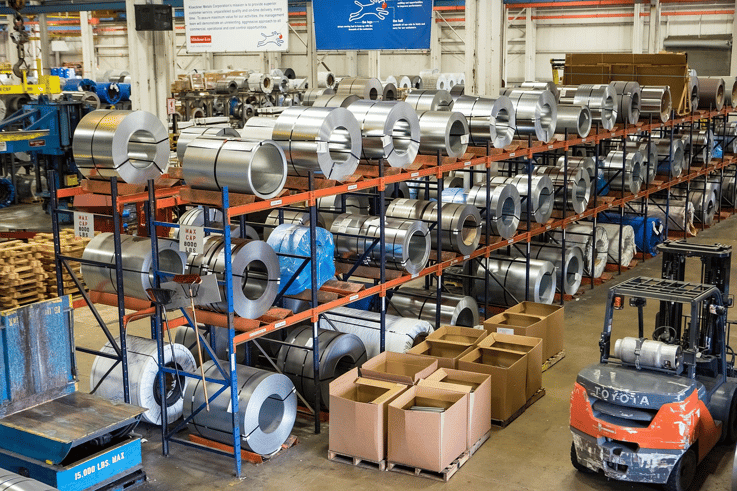
Automating everyday supply chain tasks like receiving, quality inspections, and dispatch can deliver major operational gains.
Not every supply chain task needs complex technology. In many cases, the biggest gains come from automating the everyday data collection and handoff processes that teams already perform manually. The following three areas represent some of the highest-impact opportunities for operations leaders.
Receiving & Inventory Tracking
Automating receiving workflows with mobile apps enables teams to scan barcodes, capture photos of damaged goods, and log quantities directly on a device. The data syncs with back-end systems in real time, giving procurement and planning teams immediate visibility into what's on hand and eliminating the lag between physical receipt and system updates.
Quality Inspections & Compliance Checks
Quality workflows, including incoming material inspections, in-process checks, and final product audits, are among the most documentation-heavy tasks in any supply chain. Paper-based inspection forms create bottlenecks when results need to be sent to quality managers for review and sign-off.
Automating these inspections with mobile forms that include conditional logic, photo capture, and digital signatures accelerates the entire cycle. When an inspection fails, automatic alerts can notify the right people immediately, so corrective actions begin on the spot rather than waiting days for paperwork to move through the system.
Field Service Dispatch & Order Fulfillment
Outbound logistics and field service rely on accurate work orders, packing verification, and shipping documentation. Manual coordination across these steps increases the risk of mislabeled shipments, missed orders, and incomplete records.
Automated workflows route the right information to the right team at the right time, from generating dispatch instructions to confirming shipment details with timestamps and GPS data. The result is fewer fulfillment errors, faster turnaround, and a clear digital trail for every order that leaves the facility.
Real Industry Examples of Supply Chain Workflow Automation
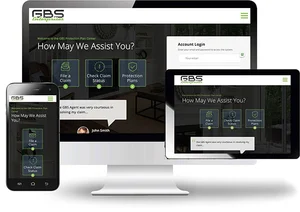
GBS Enterprises digitized field dispatch with Alpha TransForm, boosting field productivity by 80% and improving data accuracy.
GBS Enterprises: Field Dispatch Digitized with Alpha TransForm
GBS Enterprises (now operating as ProtectAll), a leading provider of furniture protection services and healthy sleep products, whose customers include many of the Top 200 U.S. furniture and bedding retailers, was managing hundreds of daily work orders on paper. With a team of 200 call center operators initiating, logging, and tracking over 300 work orders on peak days, the paper-based process created constant delays.
Field technicians captured limited data at remote locations, and a second back-office worker had to manually re-enter that information into company systems, slowing claims processing and introducing errors.
GBS Enterprises turned to Alpha TransForm to digitize its field dispatch workflow. Technicians now complete work orders on their smartphones, capturing images of furniture damage, scanning barcodes, and logging data that flows directly into GBS's back-office systems.
The dispatch app pre-populates each work order with customer contact details and job specifications, so technicians arrive prepared. The result was an 80% increase in field productivity, along with improved data accuracy, faster claims processing, and higher customer satisfaction across the entire operation.
Walmart: Automation at Scale Across the Supply Chain
Walmart demonstrates what large-scale supply chain automation looks like. More than 60% of Walmart's U.S. stores now receive freight from automated distribution centers, and over half of its e-commerce fulfillment volume moves through automated systems. The company uses robotics in its fulfillment centers to handle receiving, storage, and retrieval, while AI-powered systems optimize inventory placement and delivery routes in real time.
Walmart's CFO noted that automation investments have driven consistent double-digit improvements in shipping costs, directly improving the company's e-commerce economics. The company's automation also affects its supplier network: manufacturers must now meet stricter fulfillment and packaging standards to integrate with Walmart's high-speed automated distribution centers. While not every business needs Walmart-scale robotics, the lesson is clear that digitizing supply chain workflows at any scale drives measurable cost savings and operational efficiency.
How to Start Automating Supply Chain Workflows
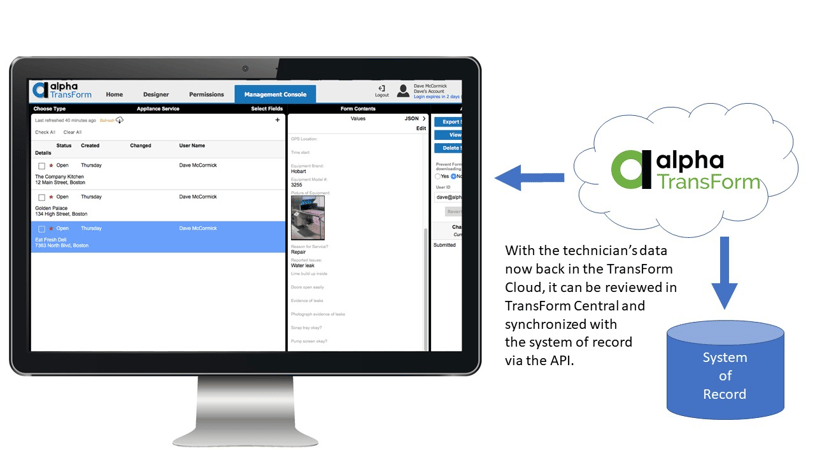
Start supply chain automation by digitizing one or two high-impact processes, then expand to related workflows.
The most effective approach to supply chain workflow automation is to start small and build momentum. Rather than overhauling an entire operation at once, follow these steps:
- Identify one or two high-impact processes, such as a receiving checklist, a daily quality inspection, or a field dispatch form, and digitize those first. This is exactly how GBS Enterprises started: one dispatch app replaced the paperwork order process, and the productivity gains were immediate.
- Expand to related workflows. Once the initial processes are running smoothly, move on to adjacent areas such as shipping verification, non-conformance reports, or supplier audits. Early wins build team confidence and make adoption easier across departments.
- Choose a platform that puts business users in control. Selecting a tool such as Alpha TransForm that lets operations teams build and modify their own apps without depending on IT makes this kind of incremental rollout both practical and sustainable over time.
Choose Alpha TransForm for Supply Chain Workflow Automation

Alpha TransForm's no-code platform lets operations teams digitize supply chain workflows into mobile apps in minutes.
We built Alpha TransForm specifically for operations teams that need to move fast. Our no-code platform lets business users turn paper-based supply chain workflows into mobile apps in minutes, with no developer required. With our platform, you can add barcode scanning, photo capture, GPS stamps, and digital signatures, then deploy to your team's devices immediately.
Apps built with Alpha TransForm work fully offline in warehouses, loading docks, and production floors where connectivity is unreliable. Built-in dashboards and integrations with your existing business systems mean captured data drives action right away. Check out our Field Service Dispatch App template to see how quickly you can get started.
FAQs
What types of supply chain workflows can be automated?
How does workflow automation improve supply chain visibility?
Do I need an IT team to implement supply chain workflow automation?
Can automated supply chain apps work without internet access?
What makes Alpha TransForm different for supply chain automation?
*Note: Alpha TransForm is a no-code app builder developed by Alpha Software. Product features, availability, pricing, and results referenced are for informational purposes only and subject to change; actual capabilities and outcomes may vary based on configuration and use case. To confirm current offerings and pricing, talk to a Solutions Consultant.






Comment