

To remain competitive, construction companies are combining Artificial Intelligence, IoT, and mobile apps for Construction.
Artificial intelligence and IoT have been talked about in construction for years. From predictive analytics and connected job sites to AI-powered inspections and automation, the promise is clear: better visibility, smarter decisions, and more efficient projects. But there’s a gap most conversations miss.
The technology isn’t the problem. Execution is.
Today, many construction companies are experimenting with AI and connected systems but struggle to turn those tools into systems that actually work in real-world job site conditions. This article talks about the combination of AI, IoT and construction apps.
The Promise of AI and IoT in Construction
AI and IoT bring real potential to construction operations. Examples include:
- Sensors tracking equipment performance
- AI analyzing project risks and delays
- Computer vision for safety and quality checks
- Real-time monitoring of job site activity
These technologies can improve:
- project visibility
- safety outcomes
- decision-making speed
The opportunity is enormous.
Why Most Implementations Fall Short
Despite the promise, many AI and IoT initiatives don’t deliver expected results.
The issue isn’t the technology, it’s how it’s applied.
Common challenges include:
- inconsistent or incomplete data collection
- lack of structured workflows
- unreliable connectivity on job sites
- difficulty integrating with project systems
This is exactly why AI-generated apps fail in real-world operations; it becomes clear when these apps deploy.
The Missing Layer: Execution on the Job Site
AI and IoT systems depend on data that comes from somewhere. In construction, that “somewhere” is the job site:
- inspections
- punchlists
- progress updates
- safety checks
- equipment and maintenance logs
This is where many implementations break down. Data is often:
- captured manually
- inconsistent across teams
- delayed or incomplete
It soon becomes apparent why data quality is the Achilles heel of AI in these environments.
Why Mobile Apps Are Critical
Well-designed mobile applications become essential in these environments.
AI analyzes data.
IoT collects signals.
Mobile apps capture execution data from workers.
On a construction site, mobile apps must:
- work without reliable internet access
- guide users through required workflows
- validate data at the point of entry
- capture photos, timestamps, and location data
- sync with backend systems when connectivity is available
Without this layer, AI and IoT systems are operating on incomplete or unreliable information.
What Actually Works in Construction
Successful implementations focus on collecting accurate and complete point-of-work data, not just the design of the app interface.
That means:
- structured inspection and reporting workflows
- validated data collection at the point of work
- offline-first mobile capability
- integration with project management and ERP systems
- consistent processes across teams
If you're exploring how to build systems that actually work, start with AI app development that works in real-world construction sites.
Real-World Example: AI-Supported Site Inspections
Consider a construction inspection workflow:
AI can:
- flag potential issues
- analyze historical data
- suggest inspection priorities
But the real-world system must also:
- ensure every inspection step is completed
- capture accurate data and photos
- work offline on the job site
- sync results into project systems
Without those elements, even the best AI model produces unreliable results.
The Pattern Across Construction Projects
Across projects, the same pattern appears:
- AI tools generate insights
- IoT systems collect signals
- But execution breaks at the point of work
This leads to:
- incomplete data
- inconsistent processes
- unreliable reporting
AI doesn’t fix these problems, it amplifies them.
What Happens with Alpha Software Joins the Mix
Here is where Alpha Software is designed to operate and add incredible value to your system.
Alpha Software can help construction companies build applications that:
- capture validated data at the point of work
- operate fully offline on job sites
- enforce structured workflows
- integrate with project systems and ERP platforms
Instead of relying on disconnected tools, Alpha Software helps create systems that reflect how construction work actually gets done. And because these apps are built around how employees work and the processes they follow on each job site -- for that unique constricution company -- our customers see high rates of adoption and incredible increases in data accuracy and completeness.
Building Construction Systems that Work in Practice
AI and IoT are already transforming construction, but success won't come from adopting new technology alone.
Success relies on building systems that:
- capture accurate data
- enforce consistent workflows
- operate in real-world conditions
The companies that succeed won’t just adopt AI, they’ll leverage it with intelligent solutions where it matters most.
Let's Build Your Construction Solution
If you're exploring AI and IoT in construction and want to build systems that actually work on your job sites, book a meeting with one of our construction industry consultants and we’ll help you turn your processes into production-ready solutions.
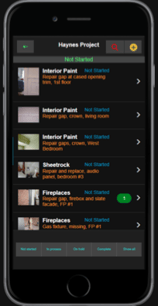 Developers don’t need to wait to get big benefits out of AI and mobile apps. They can use Alpha Anywhere no-code software to build offline field service apps, inspection apps, and much more.
Here are Additional Resources for developers who need to build mobile apps for construction project management:
- Download source code for a free mobile construction inspection app you can use at your organization.
- Join this free webinar that will teach you how to build your first construction management app or building inspection app in an hour.









Comment