
Learn how Industry 4.0 is reshaping logistics and supply chains with real-world examples, practical workflows, and steps to start digitizing operations.

Key Takeaways
- Industry 4.0 in logistics starts with digitizing high-frequency paper processes like receiving logs, delivery verification, and compliance inspections, not with robotics or complex automation.
- Digitizing data collection across receiving, shipping, and compliance workflows eliminates manual bottlenecks and reduces costly errors.
- GBS Enterprises achieved an 80% increase in field productivity by replacing paper-based work orders with a single mobile dispatch app, and Inventory Services Network cut development costs to 40% of those for traditional handheld solutions while reaching the market twice as fast.
- The most effective starting point is picking one high-volume workflow, digitizing it, and expanding from there once results are demonstrated.
- Alpha TransForm lets operations leaders turn paper forms into mobile apps that work offline in minutes, with built-in barcode scanning, photo capture, GPS tagging, and real-time dashboards.
Understanding Industry 4.0 in Logistics & Supply Chain Operations
Industry 4.0 helps logistics and supply chain teams replace paper-based processes with digital workflows that deliver real-time visibility into shipments, inventory, and warehouse operations.
Real-world results reinforce this approach. Companies like GBS Enterprises and Inventory Services Network have achieved measurable gains, including an 80% increase in field productivity, by digitizing single high-volume workflows first.
In this guide, we cover how Industry 4.0 applies to everyday logistics operations, walk through real-world examples with specific outcomes, and outline a practical path to getting started.
|
Alpha TransForm: Digital Solutions to Collect, Analyze, and Act on Data Turn Paper Forms Into Mobile Apps in Minutes | No IT Team Required | Works Offline | Trusted by Manufacturing & Field Teams  Why Business Leaders Choose Alpha TransForm: ✓ Built-in custom dashboards and workflows to trigger business activity✓ Seamless integration with existing business systems ✓ Replace Excel with digital data collection and analysis ✓ Rapid digitization—build apps in days without IT bottlenecks ✓ Proven ROI with scalable start-small approach ✓ Trusted by manufacturing, construction, and healthcare leaders From Paper to Digital in 3 Steps 1. Upload your paper form or start from scratch2. Customize fields and logic as needed 3. Deploy to mobile devices and start collecting data instantly Stop losing time with paper processes. Start delivering business value today.
|
How Industry 4.0 Transforms Logistics Operations

Industry 4.0 transforms logistics by digitizing receiving, shipping, compliance, and inventory processes, reducing delays and improving visibility.
Industry 4.0 is not about installing robots on every dock. For most logistics and supply chain teams, the transformation starts with digitizing the everyday processes that generate the most data and the most delays. These areas include:
Receiving & Inventory Management
Digital receiving workflows capture quantities, barcode scans, photos, and timestamps at the point of entry, updating inventory systems instantly and flagging discrepancies before they snowball.
Shipping & Delivery Verification
Mobile delivery confirmation apps capture electronic signatures, GPS coordinates, and time-stamped photos at the moment of handoff, giving logistics managers immediate visibility into completed deliveries and a digital audit trail for dispute resolution.
Compliance & Safety Inspections
Paper checklists make it difficult to enforce completion, track trends, or respond quickly to flagged hazards. Digitized inspection workflows with conditional logic can automatically route critical findings to the right supervisor and create a complete, searchable compliance record.
Industry 4.0 in Logistics & Supply Chain: Real-World Examples
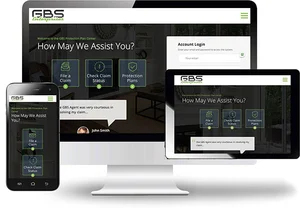
GBS Enterprises and Inventory Services Network showcase how digitizing field and inventory workflows drives measurable productivity and cost savings.
GBS Enterprises: From Paper Work Orders to 80% Field Productivity Gains
GBS Enterprises is a leading provider of healthy sleep products and mattress and furniture protection services, serving many of the Top 200 furniture and bedding retailers in the United States. The company's operations depend on dispatching field technicians to process warranty claims, and its call centers handle over 300 work orders on busy days.
Before digitizing, GBS relied on paper work orders. Field technicians filled out forms by hand, and a second back-office worker re-entered the data into the company's systems. The information captured was limited, with little supporting material, such as photos of the furniture damage. The result was slow claims processing, frequent data entry errors, and wasted labor hours.
Using Alpha TransForm, GBS built a mobile service dispatch app and deployed it to its field technicians' smartphones. The app replaced paper forms with digital work orders that include barcode scanning, image capture, and integration with the company's dispatch and back-office systems. When a work order is sent to a technician, it already contains the relevant contact and job details. Technicians capture richer, more accurate data at the point of service, and that data flows directly into corporate systems without manual re-entry.
The results were significant: GBS Enterprises realized an 80% increase in field productivity, along with improvements in operational efficiency and customer satisfaction. The case reinforces a critical Industry 4.0 principle: digitizing a single high-volume workflow, such as field dispatch, can deliver fast, measurable returns before any complex automation is needed.
Inventory Services Network: Modernizing Warehouse Inventory Counting
Inventory Services Network (ISN) is an organization of independent inventory service companies located throughout the United States and the U.S. Virgin Islands. ISN provides its members with inventory processing and high-speed data collection platforms for warehouses, retail stores, and businesses that require periodic physical inventory counts.
The inventory services industry had long relied on outdated handheld hardware for high-speed data capture. The traditional devices used technology that was more than a decade old, offered no software customization flexibility, and were costly. As mobile and data innovations advanced, counting hardware failed to keep pace.
ISN chose the Alpha platform to build an inventory application called Modas. The solution replaced expensive proprietary hardware with affordable, off-the-shelf mobile devices running a custom high-speed counting app. The app captures inventory data in real time, works both online and offline, and integrates directly with corporate systems and databases of record. Members can use Bluetooth ring scanners and wireless capabilities built into modern hardware, which increases team productivity during inventory counting.
The impact was immediate. ISN's president reported that development costs came to 40% of what a custom handheld device would have cost, and time-to-market was twice as fast. Member companies achieved reduced labor costs through smaller, more efficient counting teams and real-time data transmission. ISN also attracted three new member companies drawn by the new technology. For logistics teams still dependent on aging hardware and paper-based counting workflows, ISN's example shows how digitizing inventory data capture can cut costs, speed operations, and create a competitive advantage.
Where to Start: High-Impact Workflows for Logistics Teams

Logistics teams should start their digital transformation by identifying and digitizing their most frequent paper-based workflows first.
The most effective starting point is identifying the paper-based workflows your team completes most frequently and digitizing them first. For logistics and supply chain operations, these typically include warehouse receiving and inventory counts, loading and shipping checklists, driver vehicle inspection reports (DVIRs) and pre-trip checks, proof-of-delivery and customer sign-off forms, and safety and compliance audits.
Each of these workflows follows a similar pattern: a frontline worker fills out a form, the form travels to an office, someone re-enters the data, and a manager reviews it days later. Digitizing any of these processes eliminates re-entry, reduces errors, and provides leadership with real-time visibility rather than after-the-fact visibility.
A Practical Path to Implementation
Getting started does not require a large IT project. A four-step approach keeps things manageable and delivers results quickly.
- Pick one high-volume form. Choose a process your team repeats daily, like a warehouse safety inspection or a receiving log. High frequency means faster ROI once the process is digital.
- Build your mobile app. With Alpha TransForm, a business user can upload an existing paper form and turn it into a mobile app in minutes. Add barcode scanning for inventory, photo capture for damage documentation, GPS tagging for delivery verification, and conditional logic to automatically route critical issues.
- Deploy and capture data. Push the app to your team's devices and start collecting digital records immediately.
- Review and expand. Use built-in dashboards to track submissions, identify patterns, and demonstrate value to leadership. Once one workflow is running, apply the same approach to additional processes across your operation.
Why Alpha TransForm Fits Your Logistics & Supply Chain Operations

Alpha TransForm's no-code platform helps logistics teams digitize paper forms into mobile apps with offline capability and real-time dashboards.
Alpha TransForm is built for the environments where logistics and supply chain work actually happen: warehouses, loading docks, delivery routes, and remote facilities with unreliable connectivity. Our no-code platform lets operations leaders turn paper forms into mobile apps in minutes, with built-in barcode scanning, photo capture, GPS tagging, electronic signatures, and conditional logic.
Apps work offline and sync automatically when a connection returns. Custom dashboards give supply chain leaders real-time visibility into data collected across facilities and routes, and straightforward integrations send that data directly into your ERP, WMS, or quality platform without manual re-entry.
FAQs
What does Industry 4.0 mean for logistics and supply chains?
What are the common Industry 4.0 technologies used in supply chains?
How quickly can a logistics team see results from digitization?
Do I need to replace my existing systems to adopt Industry 4.0?
What makes Alpha TransForm a good fit for logistics operations?
*Note: Alpha TransForm is a no-code app builder developed by Alpha Software. Product features, availability, pricing, and results referenced are for informational purposes only and subject to change; actual capabilities and outcomes may vary based on configuration and use case. To confirm current offerings and pricing, talk to a Solutions Consultant.





Comment