
Learn what Supply Chain 4.0 means in 2026, its key benefits and challenges, plus real-world examples from Walmart, Unilever, and DHL to guide your strategy.
Key Takeaways
- Supply Chain 4.0 replaces manual, paper-driven processes with connected digital workflows that deliver real-time visibility and faster decision-making across every supply chain stage.
- Walmart, Unilever, and DHL use IoT sensors, digital twins, and predictive analytics to cut costs, reduce waste, and improve performance globally.
- Core benefits include faster response times, lower error rates, stronger compliance documentation, and higher output from smaller, leaner teams.
- Key challenges include legacy system integration, workforce readiness, and avoiding stalled pilots by choosing the right workflow to digitize first.
- Alpha TransForm lets operations teams launch Supply Chain 4.0 workflows in minutes with offline-ready, no-code mobile apps and no IT dependency.
Understanding Supply Chain 4.0 & How Companies Are Using It
Supply Chain 4.0 is the application of digital technologies, including connected devices, real-time data capture, and intelligent software, to manage and optimize every stage of a supply chain.
It replaces manual tracking, paper checklists, and delayed reporting with digital workflows that surface information at the point of activity. The business case is measurable: companies adopting this approach report faster decision-making, lower error rates, stronger compliance documentation, and higher output from smaller teams.
Walmart, Unilever, and DHL are among the organizations already operating at scale, using tools like IoT sensors, digital twins, and predictive analytics to cut costs and improve performance. Challenges remain, particularly around legacy system integration, workforce readiness, and choosing the right starting point.
|
Alpha TransForm: Digital Solutions to Collect, Analyze, and Act on Data Turn Paper Forms Into Mobile Apps in Minutes | No IT Team Required | Works Offline | Trusted by Manufacturing & Field Teams  Why Business Leaders Choose Alpha TransForm: ✓ Built-in custom dashboards and workflows to trigger business activity✓ Seamless integration with existing business systems ✓ Replace Excel with digital data collection and analysis ✓ Rapid digitization—build apps in days without IT bottlenecks ✓ Proven ROI with scalable start-small approach ✓ Trusted by manufacturing, construction, and healthcare leaders From Paper to Digital in 3 Steps 1. Upload your paper form or start from scratch2. Customize fields and logic as needed 3. Deploy to mobile devices and start collecting data instantly Stop losing time with paper processes. Start delivering business value today.
|
Supply Chain 4.0 Explained
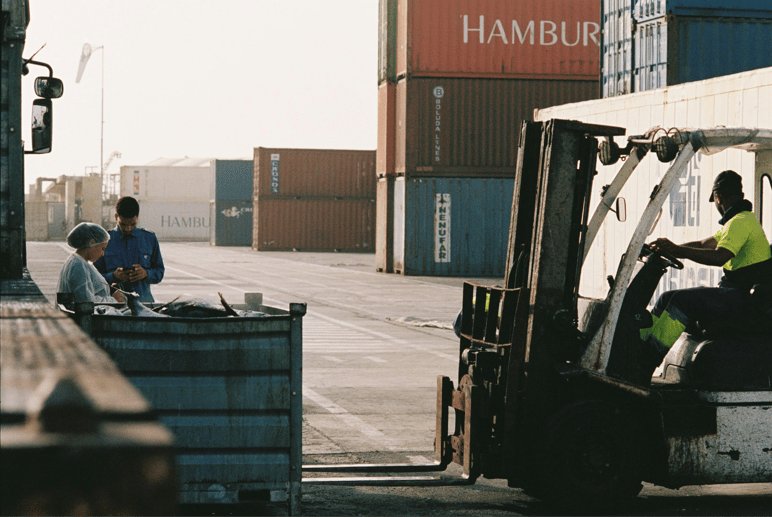
Supply Chain 4.0 applies digital technologies like real-time data capture and connected devices to optimize every stage of supply chain operations.
The term Supply Chain 4.0 emerged from Industry 4.0, a broader movement toward smarter, more connected manufacturing. Where Industry 4.0 originally focused on the factory floor, Supply Chain 4.0 extends those same digital principles into logistics, warehousing, procurement, and field operations.
In practical terms, it means replacing manual tracking, phone calls, and paper checklists with digital workflows that capture information at the point of activity and deliver it instantly to dashboards, alerts, and business systems. The approach is defined by integrating data, technology, and automation across the entire chain, giving operations leaders the visibility they need to act on problems in real time rather than days or weeks after the fact.
For business users, the most important thing to understand is this: Supply Chain 4.0 is not a single product or platform. It is an approach to running your supply chain on accurate, timely, connected data. Many organizations are starting with simple steps, such as digitizing a paper form or adding mobile data capture to a field inspection.
Real-World Examples of Supply Chain 4.0

Walmart, Unilever, and DHL demonstrate how Supply Chain 4.0 technologies drive real-time visibility, automation, and predictive analytics at scale.
Walmart: Real-Time Inventory Visibility at Scale
Walmart is one of the most visible examples of Supply Chain 4.0 in action. In collaboration with Wiliot, Walmart has deployed millions of ambient IoT sensors across its supply chain and aims to deploy 90 million IoT Pixels by the end of 2026. The initiative spans over 500 locations today, with plans to expand nationally across 4,600 stores and more than 40 distribution centers.
These sensors provide a continuous stream of data that feeds into Walmart's AI systems, giving the retailer near-instant awareness of what is in stock and where it is at any moment. The company set a target of having 65 percent of its stores serviced by automation by the end of its fiscal year 2026. As of late 2025, more than 60 percent of U.S. stores receive freight from automated distribution centers, and over half of its e-commerce fulfillment center volume moves through automated systems.
Unilever: Digital Manufacturing Across 124 Factories
Unilever has rolled out a digital platform, the Unilever Manufacturing System (UMS), across 124 factories worldwide. The system builds on lean manufacturing principles but adds digital capabilities: real-time performance tracking, automated alerts, and digital twins that let teams simulate production changes before implementing them.
Results across the network include a 3% increase in overall equipment effectiveness, a 5% increase in labor productivity, and an 8% reduction in costs. At its Indaiatuba factory in Brazil, recognized by the World Economic Forum as a "Lighthouse" site, the platform helped raise capacity by 20% and save nearly €3 million in 2024.
DHL: Predictive Analytics for Global Logistics
DHL developed a predictive analytics platform that uses historical data, external factors like weather and traffic, and machine learning to forecast supply chain disruptions. This allows the company to reroute shipments and adjust warehouse strategies proactively rather than reactively.
DHL's digital initiatives have contributed to measurable gains across its operations, including a significant reduction in warehouse employee travel distance and improved order-picking productivity. The company also uses AI-powered sorting robots in its warehouses, increasing sorting capacity by at least 40%.
Benefits of Supply Chain 4.0
1. Faster, Better-Informed Decisions
When data flows from the field to a dashboard in real time, managers no longer wait for end-of-day reports or weekly spreadsheets to spot a problem. Quality issues, inventory gaps, and equipment failures surface immediately, giving teams the chance to act before small issues become costly disruptions. Businesses can adapt more quickly to market changes and pivot to customer demand faster with real-time insights.
2. Reduced Errors & Rework
Paper-based processes introduce errors at every handoff: illegible handwriting, missing fields, and delayed entry into a system. Digital data collection tools like Alpha TransForm, with features like barcode scanning, dropdown menus, and required fields, eliminate most of those failure points at the source.
3. Stronger Compliance & Audit Readiness
Regulations are intensifying in 2026. The EU's Carbon Border Adjustment Mechanism, for example, now requires companies to document embedded carbon emissions in certain imported goods. Digital workflows that automatically capture timestamps, GPS coordinates, photos, and signatures create a complete, defensible audit trail without extra effort from frontline workers.
4. More Output From Smaller Teams
Labor shortages in industrial and logistics organizations are no longer a temporary challenge but a permanent reality. Digitizing manual, repetitive tasks like filling out inspection forms or reconciling inventory counts lets existing teams handle higher volumes and focus on work that requires human judgment.
Why Alpha TransForm Powers Your Supply Chain 4.0 Strategy

Alpha TransForm is a no-code platform that helps operations leaders digitize supply chain workflows with mobile apps that work offline.
At Alpha Software, we built Alpha TransForm for operations leaders who need to digitize supply chain workflows now, not months from now. Our no-code platform lets business users turn paper forms into mobile apps in minutes and deploy them immediately. Alpha TransForm apps work offline in warehouses, plant floors, remote job sites, and other locations where connectivity is unreliable.
Built-in features like photo capture, barcode scanning, GPS tagging, timestamps, signatures, and conditional logic deliver richer, more reliable field data than any clipboard. We integrate seamlessly with your existing business systems, so data flows straight into your dashboards and ERP without manual re-entry. Start with a ready-to-use template like our Equipment Inspection Checklist or Gemba Walk app, verify the value, and scale at your own pace.
FAQs
What does Supply Chain 4.0 mean in simple terms?
How is Supply Chain 4.0 different from traditional supply chain management?
What are the biggest risks of adopting Supply Chain 4.0?
Do small and mid-sized companies benefit from Supply Chain 4.0?
How does Alpha TransForm help with Supply Chain 4.0?
*Note: Alpha TransForm is a no-code app builder developed by Alpha Software. Product features, availability, pricing, and results referenced are for informational purposes only and subject to change; actual capabilities and outcomes may vary based on configuration and use case. To confirm current offerings and pricing, talk to a Solutions Consultant.






Comment