
Discover digital transformation in agriculture with real examples and case studies. Learn how farms digitize operations and improve yields sustainably.
Key Takeaways
- Digital transformation in agriculture uses technologies like mobile data collection, sensors, GPS tracking, and analytics to optimize farming operations and increase productivity.
- Successful agricultural digitization focuses on practical solutions like digitizing field inspections, livestock monitoring, soil assessments, and compliance documentation.
- Mobile apps with offline capability enable farmers to collect reliable data in remote fields without cellular coverage, eliminating paper-based bottlenecks.
- Alpha TransForm empowers agricultural operations teams to build custom field data collection apps in minutes, working reliably offline and integrating directly with farm management systems.
Why Digital Transformation Matters for Modern Agriculture
Agricultural operations worldwide face unprecedented challenges that threaten productivity and profitability. Farm managers struggle with aging workforces, unpredictable weather patterns, tightening profit margins, and mounting regulatory requirements for food safety and environmental compliance.
Traditional paper-based record keeping compounds these difficulties. These documentation gaps create serious operational risks, including reduced crop yields, water waste, threats to herd management, and regulatory penalties during food safety audits.
Modern agricultural operations need digital systems to capture GPS coordinates for every field observation, photograph crop conditions with timestamps, track equipment maintenance via barcode scanning, and maintain complete audit trails for food safety compliance.
|
Alpha TransForm: Digital Solutions to Collect, Analyze, and Act on Data Turn Paper Forms Into Mobile Apps in Minutes | No IT Team Required | Works Offline | Trusted by Manufacturing & Field Teams  Why Business Leaders Choose Alpha TransForm: ✓ Built-in custom dashboards and workflows to trigger business activity✓ Seamless integration with existing business systems ✓ Replace Excel with digital data collection and analysis ✓ Rapid digitization—build apps in days without IT bottlenecks ✓ Proven ROI with scalable start-small approach ✓ Trusted by manufacturing, construction, and healthcare leaders From Paper to Digital in 3 Steps 1. Upload your paper form or start from scratch2. Customize fields and logic as needed 3. Deploy to mobile devices and start collecting data instantly Stop losing time with paper processes. Start delivering business value today.
|
Key Applications of Digital Transformation in Agriculture
Crop Monitoring & Field Assessments
Field teams conduct regular crop inspections to identify pest pressure, disease symptoms, nutrient deficiencies, and irrigation needs. Digital field scouting apps capture georeferenced photographs of plant damage, record pest counts at specific GPS locations, document growth stage assessments, and track spray applications with timestamps. Digital data collection ensures soil test recommendations link directly to specific field zones for variable-rate fertilizer applications.
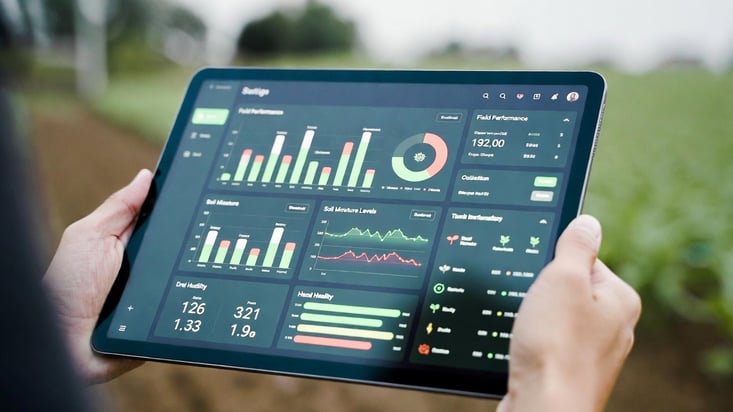
Digital transformation enables farms to monitor crops, manage livestock, and optimize resource usage through integrated mobile technology.
Livestock Management & Health Tracking
Farmers can use mobile apps to record individual animal health observations, vaccination schedules, breeding records, and milk production data. Feeding management applications calculate precise ration formulations based on animal weights, milk production targets, and forage analysis results. Digital feed records track consumption patterns, identify efficiency opportunities, and document compliance with organic livestock standards.
Irrigation Management & Water Conservation
Water management systems monitor soil moisture levels, weather forecasts, and crop water requirements to optimize irrigation scheduling. Mobile apps enable irrigation managers to document pump readings, record water meter data, photograph equipment conditions, and adjust watering schedules based on field observations.
Equipment Maintenance & Safety Inspections
Farm equipment requires systematic maintenance protocols to prevent breakdowns during critical planting and harvest windows. Mobile maintenance apps track equipment hours, schedule preventive service, document repair activities, and photograph equipment conditions.
Safety inspection checklists ensure tractors, combines, sprayers, and implements meet operational safety standards. Digital safety records capture equipment serial numbers, inspection dates, identified defects, and corrective actions, creating complete audit trails for insurance requirements and regulatory inspections.
Real-World Agricultural Digital Transformation Examples
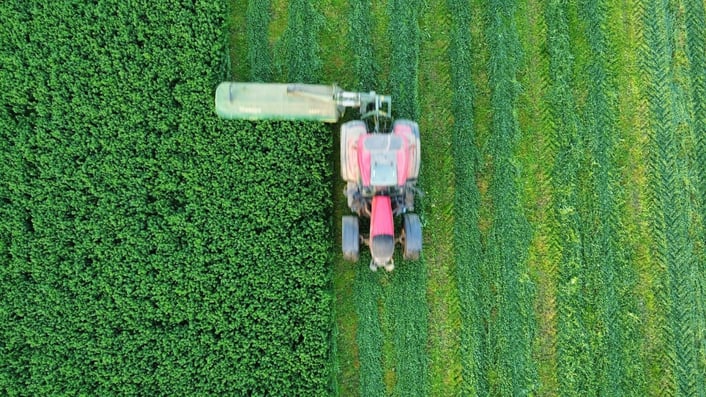
Successful farms use targeted digital solutions to solve specific operational challenges before scaling across the enterprise.
Leading agricultural operations demonstrate how strategic digitization delivers measurable improvements in productivity, sustainability, and profitability.
Walmart & IBM Food Trust
Following a 2018 multistate E. coli outbreak linked to romaine lettuce, Walmart partnered with IBM to implement a blockchain-based food traceability system for fresh produce suppliers. The company had successfully piloted IBM Food Trust in earlier projects tracking mangoes and pork, reducing traceback time from 7 days to just 2.2 seconds.
Based on these results, Walmart in September 2018 mandated that all suppliers of fresh leafy greens implement real-time, end-to-end traceability back to the farm using blockchain technology. The system requires suppliers to capture digital data using mobile devices with geolocation features, recording product identification codes, lot numbers, field locations with GPS coordinates, harvest dates, processing timestamps, and shipping information.
Even in rural areas with limited wireless connectivity, the system automatically uploads data when network coverage becomes available—a critical feature for agricultural traceability. The platform replaced traditional paper-based "one-step-up, one-step-back" traceability with instant farm-to-table visibility, enabling health officials to conduct rapid root cause analysis during outbreaks.
Precision Dairy Farming Implementation
A New Zealand dairy operation implemented comprehensive digital precision-farming technologies over a 4-year period to optimize pasture management and milk production. The farm deployed electronic identification systems for individual animal tracking, implemented twice-daily automated recording of milk production and cow weight data, and integrated real-time performance monitoring across all operational levels.
The digital transformation emphasized a systematic management approach consisting of planning, measurement, management, and review phases. Cloud-based farm management systems connected livestock monitoring equipment, feeding systems, and production tracking into a unified data network. Mobile field applications enabled farm staff to capture pasture assessments, soil conditions, and environmental factors that influenced feeding decisions and resource allocation.
The precision approach enabled the farm to increase milk production by 70% over four years while simultaneously increasing pasture production by 43%. Fertilizer costs decreased to 43% of previous levels through optimized application targeting. The farm achieved production forecasting accuracy within 2–3% of actual results, enabling precise inventory planning and resource management.
Quantifiable Benefits of Agricultural Digitization
Digital transformation in agriculture delivers measurable improvements in productivity, cost management, sustainability, and compliance, directly impacting farm profitability and operational resilience.
Productivity & Yield Improvements
Precision agriculture technologies increase crop yields by optimizing input application and improving resource management. GPS-guided equipment reduces overlap and skips during planting operations, improving seed placement accuracy and stand establishment. Variable rate technology optimizes fertilizer applications based on soil conditions, eliminating under-application that limits yields and over-application that wastes resources.
Cost Reduction Through Resource Optimization
Precision application technologies reduce input costs by applying seeds, fertilizers, and pesticides only where needed at agronomically appropriate rates. Smart irrigation systems reduce water consumption through soil moisture monitoring and weather-based scheduling.
Early detection of equipment issues through digital inspection protocols reduces repair costs by addressing problems before catastrophic failures occur.
Labor Efficiency & Time Savings
Mobile data collection eliminates time-consuming manual transcription of field notes into computer systems. Automated data synchronization removes the administrative burden of transferring information between field observations and farm management software. Digital workflows reduce paperwork processing time, allowing farm managers and field staff to focus on agronomic decisions rather than data entry.
Streamline Agricultural Operations with Alpha TransForm

Alpha TransForm provides no-code mobile apps for agricultural fieldwork with patented offline capabilities and automatic data synchronization.
We built Alpha TransForm to handle the harsh realities of agricultural fieldwork, where farm teams operate in challenging conditions that require reliable data capture regardless of connectivity. Our no-code platform enables farm managers to digitize existing field protocols, inspection checklists, livestock records, and compliance documentation in minutes.
Works Reliably in Remote Field Locations
Agricultural fieldwork often occurs in areas with unreliable or nonexistent cellular coverage. Alpha TransForm's patented offline-first architecture guarantees that field apps function seamlessly without internet connectivity.
Capture crop scouting observations, photograph pest damage, scan seed bag barcodes, record GPS coordinates with accuracy indicators, collect digital signatures from certified applicators, and document spray applications while completely disconnected from networks. Data synchronizes automatically when connectivity returns, preventing gaps in regulatory records.
Deploy Agricultural Apps Rapidly
Farm managers and agricultural consultants can create custom apps for crop scouting, livestock health monitoring, soil sampling, equipment maintenance, and food safety inspections—all without coding expertise. Upload existing paper forms, add GPS requirements, configure barcode scanning, define photo documentation needs, and deploy to field tablets and smartphones in hours.
Trusted for Agricultural Excellence
Agricultural operations, farm management companies, and food processors rely on Alpha TransForm for programs requiring audit-ready documentation and regulatory defensibility. The platform scales from single-farm operations to multi-state agricultural enterprises with enterprise-grade security, role-based access controls, and deployment flexibility.
FAQs
What are the main benefits of digital transformation in agriculture?
How do mobile apps improve agricultural data collection accuracy?
What features are essential for agricultural mobile applications?
How quickly can farms implement new digital data collection systems?
Why do agricultural operations choose Alpha TransForm over other data collection platforms?
*Note: Alpha TransForm is a no-code app builder developed by Alpha Software. Product features, availability, pricing, and results referenced are for informational purposes only and subject to change; actual capabilities and outcomes may vary based on configuration and use case. To confirm current offerings and pricing, talk to a Solutions Consultant.





Comment