
Learn how to build a practical Industry 4.0 strategy with real workflows, step-by-step implementation, and examples from manufacturing and field teams.

Key Takeaways
- Industry 4.0 starts by digitizing high-frequency workflows like inspections, audits, and equipment checks rather than overhauling entire systems at once.
- A phased implementation approach, starting with one or two paper processes and proving ROI before scaling, keeps costs manageable and builds early frontline buy-in.
- The core workflows that deliver the fastest results include digital data collection with timestamps and photo capture, connected quality and compliance processes, and real-time dashboards for live operational visibility.
- Manufacturers like Igloo Products and Airstream have achieved measurable outcomes, including $145,000 in estimated savings and inspector training reduced from weeks to hours.
- Alpha TransForm helps manufacturers launch Industry 4.0 initiatives in days by turning paper forms into mobile apps without IT dependency.
How to Build a Practical Industry 4.0 Strategy
An Industry 4.0 strategy begins by digitizing high-frequency workflows like inspections, audits, and equipment checks, not by overhauling entire systems at once. It focuses on rethinking the specific workflows that slow teams down and replacing them with smarter, digitized alternatives.
A phased approach; digitizing one or two paper processes first, proving ROI, then scaling, keeps costs manageable while building early frontline buy-in. Core capabilities such as timestamps, GPS, photo capture, real-time dashboards, and connected compliance workflows deliver the fastest results.
We'll go into greater detail on each of these workflows, a step-by-step implementation process, and real-world manufacturer examples in the sections below.
|
Alpha TransForm: Digital Solutions to Collect, Analyze, and Act on Data Turn Paper Forms Into Mobile Apps in Minutes | No IT Team Required | Works Offline | Trusted by Manufacturing & Field Teams  Why Business Leaders Choose Alpha TransForm: ✓ Built-in custom dashboards and workflows to trigger business activity✓ Seamless integration with existing business systems ✓ Replace Excel with digital data collection and analysis ✓ Rapid digitization—build apps in days without IT bottlenecks ✓ Proven ROI with scalable start-small approach ✓ Trusted by manufacturing, construction, and healthcare leaders From Paper to Digital in 3 Steps 1. Upload your paper form or start from scratch2. Customize fields and logic as needed 3. Deploy to mobile devices and start collecting data instantly Stop losing time with paper processes. Start delivering business value today.
|
What Is an Industry 4.0 Strategy?

An Industry 4.0 strategy uses digital tools and connected data to improve daily operations, starting with digitizing high-impact workflows.
An Industry 4.0 strategy is a plan for using digital tools and connected data to improve how your operations run day to day. For most manufacturers and field operations teams, the highest-impact starting point is data collection. If your inspectors, technicians, or supervisors are still filling out paper forms, the data they capture is trapped in paper. It cannot trigger alerts, feed dashboards, or integrate with your ERP or quality systems.
An effective Industry 4.0 strategy identifies these bottlenecks first and builds from there. The best strategies share a few common principles: start small with one or two high-volume processes, prove value quickly, then scale. This phased approach keeps costs manageable and earns buy-in from frontline teams who see immediate benefits in their daily routines.
Core Workflows That Power Industry 4.0
Industry 4.0 does not require overhauling everything at once. The most successful implementations focus on specific workflows where digital tools deliver fast, measurable improvements.
Data Collection & Digitization
The foundation of any Industry 4.0 initiative is moving from paper to digital data capture. This includes safety inspections, Gemba walks, 5S audits, equipment checks, and receiving logs.
When these forms are converted to mobile apps, every submission includes timestamps, GPS coordinates, photos, and barcode scans, all captured at the point of work. That structured data flows to supervisors and business systems instantly, rather than sitting in a filing cabinet for weeks.
Connected Quality & Compliance Workflows
ISO compliance, quality audits, and corrective action tracking become far more reliable when they are digitized. Conditional logic can route submissions based on answers, automatically flagging non-conformances and triggering alerts and follow-up tasks. Signatures and photo evidence are captured in the same workflow, creating a complete audit trail without requiring extra steps from the person on the ground.
Real-Time Visibility & Decision-Making
Once data is collected digitally, it can power dashboards that show operational performance in real time. Supervisors no longer wait for end-of-week reports to spot trends. They can see which lines are falling behind, which locations have outstanding safety issues, and where maintenance is overdue, all from a single screen that updates as data comes in.
Industry 4.0 Implementation: A Step-by-Step Process

Implementing Industry 4.0 involves four steps: identify paper processes, build digital versions, deploy for data collection, then analyze and scale.
Moving from strategy to execution does not have to be complicated. A practical implementation process consists of four steps.
- Identify one or two high-impact paper processes. Look for forms your teams fill out daily, such as inspection checklists, inventory counts, or maintenance logs. These high-frequency workflows deliver the fastest ROI when digitized.
- Build your digital version. With a no-code platform like Alpha TransForm, a business user can upload an existing paper form and turn it into a mobile app in minutes. Fields like photo capture, barcode scanning, dropdowns, and conditional logic can be added without writing code or waiting on IT.
- Deploy and collect data. Push the app to your team's mobile devices and start capturing real data immediately.
- Analyze and scale. Use built-in dashboards to review the data, identify patterns, and demonstrate results to leadership. Once one workflow is running smoothly, replicate the approach across additional processes and locations.
Industry 4.0 in Action: Real-World Examples
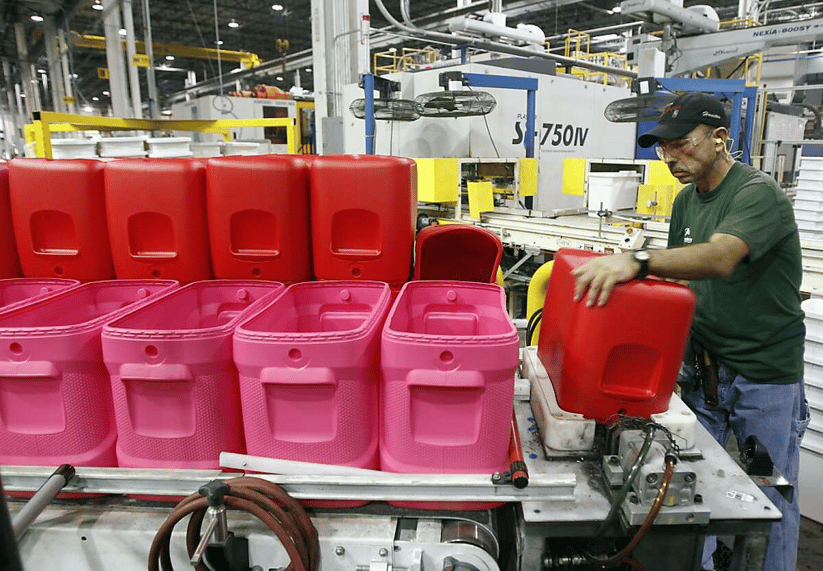
Igloo Products saved $145,000 by digitizing paper-based quality audits, while Airstream cut inspector training time from weeks to hours.
Igloo Products: Digitizing Quality Audits to Save $145,000
Igloo Products, the world's number-one cooler brand, operates a 24/7, 1.8-million-square-foot manufacturing facility in Katy, Texas, producing over 500 products sold through thousands of retail storefronts worldwide. The company's quality audits were entirely paper-based, a process the Manager of Quality Control saw as non-value-added and ripe for digital transformation.
Using Alpha TransForm's no-code app builder, Igloo built a series of digital forms to capture and display quality data. The digital system replaced paper audits across assembly shifts, improving data accuracy and reducing the time spent investigating quality issues.
The result: an estimated $145,000 in soft cost savings and a significantly lower cost of ownership. Igloo's experience shows how digitizing a single high-frequency workflow, quality audits, can deliver substantial financial returns without a complex IT project.
Airstream: Cutting Inspector Training Time from Weeks to Hours
Airstream, the iconic American travel trailer manufacturer, relied on paper forms for quality inspections across its production line. The process was slow, error-prone, and dependent on tribal knowledge locked inside experienced inspectors' heads. When an inspector left or a new one was hired, the cost in lost knowledge and lengthy training was high.
Airstream's quality team built a custom inspection app that provides auditors with a predefined list of what to look for at each station, along with detailed attributes for identifying defects. The app replaced scattered paper records with a centralized, digital system.
The impact on training alone was dramatic: onboarding new inspectors went from weeks to hours. The company also gained higher-quality data, reduced costs, and a stronger foundation for ongoing root-cause analysis.
Alpha TransForm: Powering Your Industry 4.0 Strategy

Alpha TransForm's no-code platform helps organizations start their Industry 4.0 transformation by digitizing everyday workflows into mobile apps.
Industry 4.0 does not have to mean a massive technology overhaul. The most effective strategies start with everyday workflows like inspections, audits, and equipment checks, then digitize them one at a time. That phased approach delivers measurable results fast, builds frontline buy-in, and creates a foundation of connected data that powers smarter decisions across the organization.
Alpha TransForm makes that first step easy. Our no-code platform lets business users turn paper forms into powerful mobile apps in minutes, with built-in offline capability, photo capture, barcode scanning, dashboards, and seamless integration with your existing systems, all without IT dependency.
FAQs
What is Industry 4.0 in simple terms?
How long does it take to implement an Industry 4.0 strategy?
Do I need a large IT team to begin an Industry 4.0 initiative?
Can Industry 4.0 tools work in locations without reliable internet?
What makes Alpha TransForm a strong choice for Industry 4.0?
*Note: Alpha TransForm is a no-code app builder developed by Alpha Software. Product features, availability, pricing, and results referenced are for informational purposes only and subject to change; actual capabilities and outcomes may vary based on configuration and use case. To confirm current offerings and pricing, talk to a Solutions Consultant.






Comment