

Download free trailer safety inspection checklist templates and PDFs. Learn how to digitize paper forms for better compliance and safety.
Key Takeaways
- Trailer safety inspections prevent accidents, ensure regulatory compliance, and reduce the risk of mechanical failures by checking critical components such as brakes, lights, tires, and hitching mechanisms.
- Checklist templates help standardize inspection processes, save time, and create auditable documentation trails.
- Digital inspection checklists eliminate paper inefficiencies by enabling real-time data entry, photo documentation, automatic alerts, and seamless integration with existing maintenance workflows.
- Offline-capable mobile inspection apps like those built with Alpha TransForm's patented technology ensure trailer inspections continue smoothly even in remote truck yards, warehouses, and rural routes with zero connectivity
What Is a Trailer Safety Inspection Checklist?
A trailer safety inspection checklist is a structured tool that verifies the operational condition of trailer components before and after use. These checklists guide inspectors through systematic checks of tires, brakes, lights, hitching mechanisms, suspension systems, and load securement devices.
Regular inspections using standardized checklists identify wear, damage, or malfunctions early. This prevents roadside breakdowns, failed Department of Transportation (DOT) inspections, and liability for accidents. Documentation from these inspections also creates compliance records and informs maintenance planning.
Trailer inspection checklist templates offer significant advantages for both fleet operations and independent operators. By using standardized templates, every driver and inspector evaluates the same critical safety points consistently, which reduces human error and oversight across the board.
Beyond efficiency gains, structured templates facilitate adherence to federal DOT regulations and company safety policies. They create clear documentation that proves invaluable during audits and inspections.
The flexibility of templates allows them to be tailored to specific trailer configurations, from utility trailers to commercial semi-trailers, ensuring that relevant components are checked based on the actual equipment being inspected.
|
Alpha TransForm: Digital Solutions to Collect, Analyze, and Act on Data Turn Paper Forms Into Mobile Apps in Minutes | No IT Team Required | Works Offline | Trusted by Manufacturing & Field Teams  Why Business Leaders Choose Alpha TransForm: ✓ Built-in custom dashboards and workflows to trigger business activity✓ Seamless integration with existing business systems ✓ Replace Excel with digital data collection and analysis ✓ Rapid digitization—build apps in days without IT bottlenecks ✓ Proven ROI with scalable start-small approach ✓ Trusted by manufacturing, construction, and healthcare leaders From Paper to Digital in 3 Steps 1. Upload your paper form or start from scratch2. Customize fields and logic as needed 3. Deploy to mobile devices and start collecting data instantly Stop losing time with paper processes. Start delivering business value today.
|
Key Components of a Comprehensive Trailer Inspection Checklist
Exterior Inspection
- Check trailer frame and body for visible damage, corrosion, or structural issues.
- Inspect tires for proper inflation, adequate tread depth, sidewall cracks, and uneven wear patterns.
- Verify wheel lug nuts are tightened to manufacturer specifications.
- Test brake lights, turn signals, reflectors, and clearance lights for proper operation.
Mechanical & Safety Systems
- Test the service brakes and parking brakes for proper function.
- Inspect hitch coupler, kingpin, safety chains, locking pins, and coupler plates for wear or damage.
- Check suspension components, including leaf springs or airbags, for cracks, sagging, or deterioration.
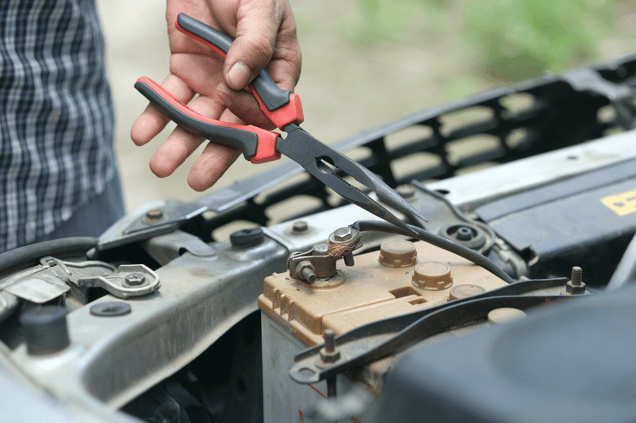
Regular inspection of mechanical and electrical components is essential for trailer safety and compliance.
- Examine wheel bearings, grease seals, and axle integrity.
Electrical Components
- Test all lighting circuits, including brake lights, turn indicators, taillights, and marker lights.
- Inspect wiring harnesses for frays, exposed wires, or damage.
- Check connectors for corrosion and secure mounting.
- Replace faulty bulbs immediately.
Interior & Load Securement
- Assess trailer floor condition for cracks, holes, or deterioration that could compromise safety.
- Ensure doors, latches, and ramps operate smoothly and lock securely.
- Inspect load securement devices, like straps, chains, tie-downs, and cargo bars, for wear or damage.
- Verify load distribution is balanced to prevent swaying or tipping during transport.
Documentation & Compliance
- Record trailer identification details, including VIN, make, and model.
- Track inspection dates, inspector names, and condition notes.
- Ensure registration, insurance, and inspection documents are up to date and readily accessible.
Free Trailer Safety Inspection Templates & PDFs
This checklist template is available for download from the source and can be used right away when inspecting your trailer.
Annual Vehicle Inspection Report
The Annual Vehicle Inspection Report form, published by the Federal Motor Carrier Safety Administration (FMCSA), provides a detailed checklist for motor carriers and inspectors to document inspections required under 49 CFR Part 396.
Use this template each time a vehicle undergoes its required annual inspection to record component status, repairs needed or completed, and inspector certifications—and keep accurate records for regulatory audits.
How to Conduct a Trailer Safety Inspection

- Prepare Your Tools & Documentation – Gather necessary equipment, including a tire pressure gauge, flashlight, wrench set, inspection checklist, and any required documentation.
- Perform Exterior Walk-Around – Inspect the overall condition of the trailer, checking for damage, leaks, or obvious defects. Examine tires, wheels, and all lighting components.
- Test Brakes & Hitch Systems – Verify brake function through service and parking brake tests. Check hitch security, safety chain attachment, and locking mechanisms.
- Inspect Electrical Systems – Test every light, including brake lights, turn signals, running lights, and reflectors. Check wiring integrity and connector condition.
- Evaluate Interior & Load Securement – Inspect floor condition, door operation, and all load securement devices. Confirm load is balanced correctly and secured.
- Document Findings & Follow Up – Record all inspection results, noting defects or maintenance needs. Schedule repairs before the trailer returns to service.
Documenting inspection findings is a critical step in maintaining trailer safety and compliance.
Why Digital Trailer Inspection Checklists Deliver Better Results
Paper inspection forms create hidden costs: lost documentation, incomplete data from illegible handwriting, delayed maintenance decisions, and compliance gaps during audits. These inefficiencies increase liability exposure, drive up maintenance costs, and put drivers at risk when problems go undetected.
Digital inspection apps eliminate these problems while adding powerful capabilities. Real-time data capture provides immediate visibility to fleet managers and maintenance teams. Photo documentation captures visual evidence directly within reports. Automatic timestamps and GPS tracking create auditable trails proving compliance.
Cloud-based storage keeps inspection history searchable for years, supporting warranty claims and investigations. Digital platforms can automatically flag recurring issues, identify fleet-wide patterns, and send alerts when critical components fail, transforming inspections from basic checklists into preventive maintenance tools that reduce costs and extend equipment life.
Achieve Efficiency Using Customizable Mobile Apps With Alpha TransForm
 Alpha TransForm transforms paper trailer inspection checklists into mobile apps that work reliably offline, critical for remote locations, truck yards, and areas with poor connectivity. Operations managers build custom inspection apps in hours using existing paper forms as templates, with no coding required and no waiting for IT resources.
Alpha TransForm converts paper trailer safety inspection checklists into customizable
mobile apps that work reliably offline and sync data automatically.
Works Anywhere, Offline
Our patented offline-first technology ensures inspection apps function flawlessly even without internet or cell coverage. Drivers and inspectors capture photos of damage, scan equipment barcodes, record GPS locations, collect digital signatures, and complete detailed inspection forms, all while completely disconnected. Data syncs automatically when connectivity returns, preventing lost work or incomplete records.
Built for Speed & Real-World Use
Plant supervisors and fleet managers can create and deploy trailer inspection apps in minutes, and our mobile form builder supports photo capture for documenting damage, barcode scanning for equipment tracking, GPS location stamps, timestamps for compliance documentation, and digital signatures for inspector verification. Conditional logic guides inspectors through the right questions based on trailer type or previous answers, ensuring thorough inspections every time.
Triggers Action Automatically
Automatic triggers can notify maintenance teams immediately when critical issues are detected. Inspection results flow directly into dashboards, maintenance scheduling systems, and compliance reporting tools. Integration with existing Enterprise Resource Planning (ERP) software and fleet management systems ensures trailer inspection data becomes part of operational decision-making, not just another report filed away.
Proven Results in the Field
Operations teams using Alpha TransForm see results quickly. Companies digitizing manual inspection processes report significant time savings, improved data accuracy, and faster maintenance response times. The platform scales from small fleets to enterprise operations, with flexible deployment options and enterprise-level security.
We deliver the offline reliability, rapid deployment, and business user empowerment that paper forms and cloud-only apps can't match.
Frequently Asked Questions (FAQs)
What are the most critical components to check during a trailer safety inspection?
The most critical components include the brake system (service and parking brakes), all lighting circuits (brake lights, turn signals, clearance lights), tire condition and inflation, hitch and coupling mechanisms, safety chains, suspension components, and load securement devices.
How often should trailer safety inspections be performed?
Commercial trailers require pre-trip inspections before each use as mandated by DOT regulations (49 CFR 392.7). Drivers must also complete a Driver Vehicle Inspection Report (DVIR) at the end of each shift to document any defects or deficiencies (49 CFR 396.11).
Non-commercial trailers should be inspected before every use and undergo more detailed periodic inspections at least quarterly or based on usage frequency.
Can I customize free trailer inspection checklist templates for my specific needs?
Yes, some free PDF templates can be customized by editing fields, adding company branding, and modifying sections to match specific trailer types or operational requirements. However, paper-based customization is limited and creates challenges with version control.
Mobile app builders like Alpha TransForm allow business users to digitize and customize paper inspection checklists quickly, add conditional logic that adapts questions based on responses, and modify forms without IT involvement, ensuring inspection processes evolve with operational needs.
What documentation is required for DOT trailer inspection compliance?
DOT compliance requires documented proof of regular inspections, including trailer identification (VIN, license plate), inspection date and time, inspector name and signature, detailed condition notes for all critical systems, and records of any defects found and corrective actions taken.






Comment