
Discover how Supply Chain 4.0 helps fashion brands run sustainable operations by replacing paper-based processes with digital tools, with real-world examples.

Key Takeaways
- Supply Chain 4.0 shifts fashion operations from manual, paper-based tracking toward real-time digital data collection, improving sustainability and decision-making speed.
- Levi's Project F.L.X. replaced manual finishing techniques with digital workflows, cutting chemical use and reducing production timelines across its global supply chain.
- Nike built a digital-first supply chain using AI-driven demand sensing and automation, tripling its capacity to serve digital consumers while reducing packaging waste.
- No-code platforms let fashion businesses of any size digitize paper processes into mobile apps in minutes, without IT dependency.
- Alpha TransForm helps fashion and manufacturing teams digitize paper forms into mobile apps in minutes, with offline capability and no IT dependency, accelerating sustainable operations.
Why Fashion Supply Chains Are Rethinking Paper-Based Operations
Fashion supply chains are shifting from paper-based processes to digital workflows to reduce waste, speed decision-making, and meet increasingly stringent sustainability standards. Brands like Levi's and Nike are already proving the model works; Levi's digitized denim finishing to slash chemical use and production timelines, while Nike rebuilt its supply chain around AI and automation, tripling digital capacity while reducing packaging waste.
The fashion industry accounts for an estimated 2–8% of global carbon emissions, according to the UN Environment Programme, and paper-heavy operations add avoidable inefficiencies to an already strained system. With no-code platforms now making digitization accessible to businesses of any size, the path from paper to digital no longer requires enterprise-scale investment or IT dependency.
|
Alpha TransForm: Digital Solutions to Collect, Analyze, and Act on Data Turn Paper Forms Into Mobile Apps in Minutes | No IT Team Required | Works Offline | Trusted by Manufacturing & Field Teams  Why Business Leaders Choose Alpha TransForm: ✓ Built-in custom dashboards and workflows to trigger business activity✓ Seamless integration with existing business systems ✓ Replace Excel with digital data collection and analysis ✓ Rapid digitization—build apps in days without IT bottlenecks ✓ Proven ROI with scalable start-small approach ✓ Trusted by manufacturing, construction, and healthcare leaders From Paper to Digital in 3 Steps 1. Upload your paper form or start from scratch2. Customize fields and logic as needed 3. Deploy to mobile devices and start collecting data instantly Stop losing time with paper processes. Start delivering business value today.
|
The Hidden Cost of Paper in Fashion Operations
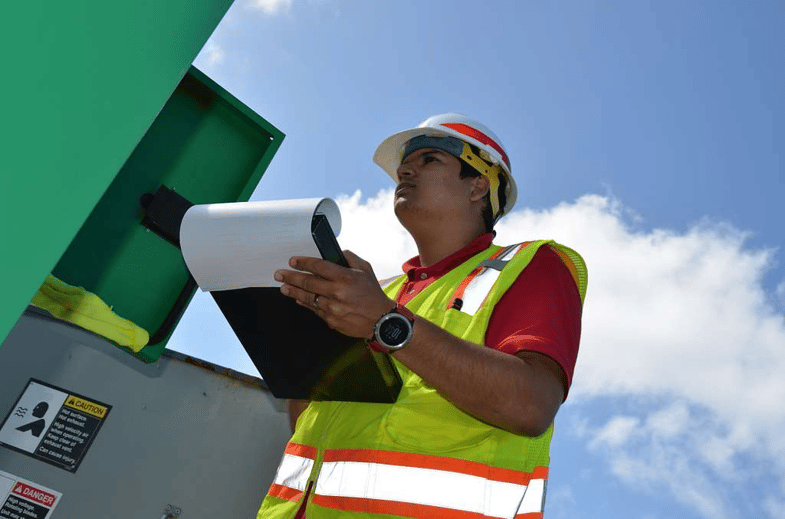
Paper-based processes in fashion supply chains cause hidden delays, errors, and environmental waste that digital tools can eliminate.
Paper-based processes in fashion supply chains are more costly than they appear on the surface. Every handwritten quality inspection, printed compliance form, or manually filed inventory sheet introduces delays, errors, and waste. When a floor supervisor at a garment factory completes a paper inspection checklist, that data often sits in a binder for days before anyone reviews it. If a defect is caught late, the rework costs multiply, and the delay ripples through the production schedule.
Beyond the operational drag, paper itself carries an environmental footprint. The Geneva Environment Network documents that the fashion industry already faces environmental regulations tightening across Europe and globally. Adding unnecessary paper consumption to an industry already under scrutiny for its resource use makes little strategic sense. When brands talk about sustainable operations, the conversation should start not just with fabrics and emissions, but with the everyday processes that run on paper and could just as easily run on a screen.
What Does Supply Chain 4.0 Mean for Fashion Operations?
Supply Chain 4.0 is about layering digital capabilities onto the processes fashion businesses already use, starting with the simplest, most paper-heavy ones. Think of it as replacing clipboards with smartphones and filing cabinets with dashboards.
In practice, this means digitizing quality inspections, supplier audits, inventory counts, and compliance checklists so that data flows in real time from the factory floor to the operations team. Instead of waiting for weekly paper reports, managers can see inspection results instantly, flag issues before they escalate, and track trends over time. The result is faster response times, fewer errors, less physical waste, and stronger documentation for sustainability reporting and regulatory compliance.
Digitization in Action: Fashion Industry Examples

Levi's and Nike are leading fashion industry digitization, using AI and automated workflows to cut waste and boost efficiency.
Levi's: Digital Workflows Replace Manual Finishing
Levi Strauss & Co. launched Project F.L.X. (Future-Led Execution) in 2018, a digital operating model that replaced highly manual, chemical-reliant denim finishing techniques with automated, digitally controlled processes. Traditionally, creating the worn-and-faded look on jeans required extensive hand labor and thousands of chemical formulations. Project F.L.X. reduced those formulations to a few dozen and will eliminate chemicals like potassium permanganate entirely. By digitizing design and finishing workflows, Levi's cut production timelines, reduced textile waste by producing closer to actual demand, and made its supply chain significantly more sustainable, all while maintaining the quality and authenticity consumers expect.
Nike: Building a Digital-First Supply Chain
Nike used the pandemic disruption to rebuild its supply chain around digital-first principles. By 2022, the company had implemented AI and machine learning for demand sensing and inventory optimization, introduced over 1,000 collaborative robots in its distribution centers, and shifted to optional ground-only shipping across the U.S. to lower carbon intensity. Nike also began using packaging made of 65% recycled content and launched refurbishment programs to extend the life of returned products. The shift tripled its capacity to serve digital consumers while simultaneously reducing waste and improving operational precision across its network.
How Can Fashion Businesses Go From Paper to Digital?
Not every fashion brand has the scale of Levi's or Nike, but the principle of digitizing paper-based operations applies universally. The starting point is identifying the highest-volume, most error-prone paper processes in your supply chain—quality inspections, non-conformance reports, supplier audits, compliance checklists—and converting them into digital workflows.
No-code platforms have made this shift accessible to businesses of any size. These tools let operations teams build mobile data-collection apps without writing code or waiting for IT. A floor supervisor who currently fills out a paper inspection form can instead use a custom mobile app that captures the same data along with photos, timestamps, GPS coordinates, and barcode scans. Many no-code platforms also support offline functionality, a critical feature for factory floors and supplier sites where internet access is unreliable.
For some tools, the implementation path is straightforward: upload an existing paper form as a starting template, customize fields and logic to match your workflow, and deploy to mobile devices within days. When evaluating platforms, look for offline data capture, integration with existing business systems, support for rich media like photos and signatures, and the ability for non-technical users to build and modify apps independently. Starting with one or two high-impact processes provides a low-risk way to demonstrate results before scaling across the broader supply chain.
Why Choose Alpha TransForm for Fashion Supply Chain Digitization

Apps built with Alpha TransForm can help fashion supply chain teams replace paper processes with mobile apps that don't require coding.
Alpha TransForm gives fashion and manufacturing teams the tools to replace paper-based inspections, audits, and compliance forms with mobile apps that capture richer data, faster, and without waiting on IT.
Our platform is built for the environments where fashion supply chain work actually happens: factory floors, warehouses, distribution centers, and supplier sites, including locations with limited or no internet connectivity. With built-in offline capability, every form submission, photo, and signature is captured and stored on the device, then synced automatically when connectivity returns. We offer custom dashboards and workflows that trigger alerts and business activity based on the data you collect, seamless integration with your existing business systems, and a start-small approach that delivers proven ROI without a massive upfront investment.
We are trusted by leaders in manufacturing, construction, healthcare, and field operations because we eliminate the IT bottleneck. Business users can build and launch solutions themselves, in days rather than months, and scale up as they see results.
FAQs
What is Supply Chain 4.0 in the fashion industry?
How does digitizing paper forms help fashion sustainability?
Can small fashion brands benefit from supply chain digitization?
Which fashion supply chain processes can be digitized?
What makes Alpha TransForm effective for supply chain digitization?
*Note: Alpha TransForm is a no-code app builder developed by Alpha Software. Product features, availability, pricing, and results referenced are for informational purposes only and subject to change; actual capabilities and outcomes may vary based on configuration and use case. To confirm current offerings and pricing, talk to a Solutions Consultant.





Comment