
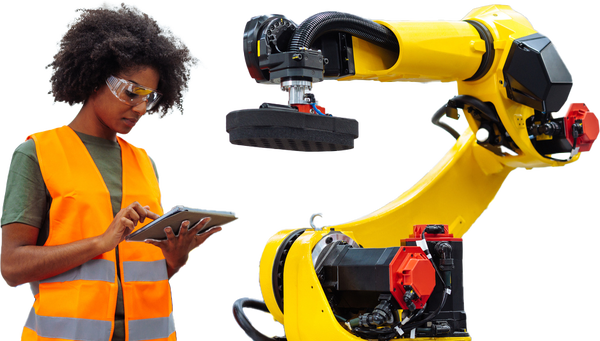
We've spent the last decade talking about the "potential" of the Internet of Things (IoT). We marveled at smart thermostats and connected factories. But as we move into 2026, the novelty has worn off. IoT is no longer a buzzword — it is the invisible nervous system of the modern global economy.
If 2015 was about the first wave of connectivity, 2026 is about Intelligence at the Edge. Here is where the landscape is shifting — and why your business needs to pay attention.
From "Connected" to "Autonomous"
For years, the goal of IoT was simply to get a device to send data to the cloud. In 2026, that model is becoming obsolete. The sheer volume of data produced by billions of devices has made cloud-only processing too slow and expensive.
The new focus is Edge AI. We are seeing a massive shift toward devices that don't just collect data, but analyze it locally and act in real-time. Whether it's a self-optimizing power grid or a medical wearable that predicts a heart event before it happens, the intelligence is now happening on the device, not in a distant data center.
The Rise of "Sustainable IoT"
In 2026, efficiency isn't just about saving money; it's about meeting strict ESG (Environmental, Social, and Governance) mandates. Enterprises are now using IoT as their primary tool for carbon accounting.
We've moved past simple maintenance alerts. We are now seeing "Circular IoT" ecosystems where sensors track the entire lifecycle of a product — from raw material to recycling — allowing companies to prove their sustainability claims to regulators and consumers alike.
The Shift in Skill Sets: The "IoT Architect"
Remember when companies had "social media managers"? Now, everyone uses social media. IoT is following the same path. In 2026, we are seeing the decline of isolated "IoT departments." Instead, IoT expertise is being integrated into every facet of the business, from supply chain to HR.
However, a new high-demand role has emerged: the IoT Ecosystem Architect. These are the people who can bridge the gap between hardware, cybersecurity, and AI. With the rise of the "Internet of Everything," the challenge isn't making things talk — it's making sure they speak the same language securely.
What This Means for Leaders
If you're still looking at IoT as a way to "cut costs," you're playing a 2015 game. In 2026, the leaders are those using IoT to create outcome-as-a-service models.
Don't just sell a machine; sell the uptime. Don't just sell a product; sell the experience. The infrastructure is finally here to make those dreams a reality. The question is no longer if — it's how fast you can move.









Comment