

Discover how Kaizen events reduce wait times and boost efficiency in healthcare. Learn core principles, see hospital examples, and access free PDF templates.
Key Takeaways
- Kaizen events bring cross-functional healthcare teams together for focused 2–5 day improvement sessions that tackle specific process bottlenecks, driving measurable gains in patient safety and operational efficiency.
- Healthcare facilities that have adopted Kaizen principles have reduced emergency department wait times, reduced medication errors, shortened operating room turnaround times, and lowered healthcare-associated infection rates through small, incremental changes.
- Traditional paper-based Kaizen documentation creates delays, limits real-time collaboration, and makes it difficult to track progress across multiple improvement initiatives simultaneously.
- Alpha TransForm digitizes Kaizen events into mobile apps that work offline, enabling healthcare teams to capture data during inspections, track 5S audits in real-time, and instantly share improvements across departments without IT delays.
What Is Kaizen in Healthcare?
Kaizen, meaning "change for the better" in Japanese, transforms how healthcare organizations approach operational improvement. Rather than waiting for major overhauls or expensive system replacements, Kaizen empowers every employee to identify and implement small, practical changes that add up to significant results.
Healthcare facilities face mounting pressure: tighter budgets, growing patient volumes, regulatory demands, and the constant need to improve safety outcomes. Kaizen events provide a structured method for frontline teams to rapidly diagnose process inefficiencies and test solutions without disrupting patient care.
|
Alpha TransForm: Digital Solutions to Collect, Analyze, and Act on Data Turn Paper Forms Into Mobile Apps in Minutes | No IT Team Required | Works Offline | Trusted by Manufacturing & Field Teams  Why Business Leaders Choose Alpha TransForm: ✓ Built-in custom dashboards and workflows to trigger business activity✓ Seamless integration with existing business systems ✓ Replace Excel with digital data collection and analysis ✓ Rapid digitization—build apps in days without IT bottlenecks ✓ Proven ROI with scalable start-small approach ✓ Trusted by manufacturing, construction, and healthcare leaders From Paper to Digital in 3 Steps 1. Upload your paper form or start from scratch2. Customize fields and logic as needed 3. Deploy to mobile devices and start collecting data instantly Stop losing time with paper processes. Start delivering business value today.
|
Core Principles of Kaizen in Healthcare

- Continuous Incremental Improvement – Small, consistent adjustments by all staff levels compound into significant operational gains over time.
- Employee Empowerment & Frontline Involvement – Staff closest to the work have the authority to redesign their own workflows and processes.
- Problem Identification & Root Cause Analysis – Real-time issue spotting using tools like fishbone diagrams and 5 Whys to address underlying causes, not symptoms.
- Low-Risk, Low-Cost Changes – Practical solutions requiring minimal investment: workspace reorganization, standardized protocols, visual cues, layout adjustments.
- Cross-Functional Teamwork – Diverse department collaboration prevents solutions that fix one area while creating problems elsewhere.
- Data-Driven Decision Making – Collect baseline data, implement changes, and measure results against specific metrics to demonstrate ROI.
Kaizen healthcare principles empower frontline staff to drive continuous improvement through
data-driven, low-cost changes and cross-functional collaboration.
Healthcare Kaizen Examples
Emergency Department Efficiency
A hospital facing rising patient volumes and extended wait times conducts a Kaizen event focused on triage and patient flow. A cross-functional team of nurses, physicians, registration staff, and facilities personnel identifies inefficiencies through direct observation and value stream mapping.
They determine that nurses walk excessive distances to retrieve supplies, delaying initial assessments. The team implements solutions such as repositioning supply carts near triage stations, adding color-coded floor markings to guide patient movement, and creating standardized supply kits for typical presentations.
These changes reduce unnecessary walking, shorten door-to-doctor time, and enable the department to manage higher patient volumes without adding staff or compromising care quality.
Operating Room Turnover
Surgical teams facing revenue loss from idle operating rooms apply Kaizen principles to reduce turnaround time between cases. A cross-functional group of surgeons, anesthesiologists, nurses, and environmental services staff determines that delays stem from unclear communication about case completion and inconsistent room preparation protocols.
Through Gemba walks and process mapping, the team discovers that anesthesia is often not notified when procedures finish and that equipment setup lacks standardization. They implement targeted changes including a dedicated communication system for case milestones, visual checklists for turnover tasks, and pre-positioned equipment for faster setup.
These improvements shorten turnover time, increase the number of daily cases per operating room, expand surgical capacity and revenue, and eliminate costly idle time.
Structure of a Kaizen Event
Most Kaizen events run 2 to 5 days with a cross-functional team focused on a specific process or problem area:
- Preparation – Define clear goals and scope, assemble teams including frontline staff, and collect baseline performance data.
- Current State Analysis – Map existing processes using value stream mapping or flowcharts. Conduct Gemba walks to observe actual work and uncover realities not found in policy manuals.
- Root Cause Identification – Use fishbone diagrams and the 5 Whys technique to identify underlying systemic issues beyond surface explanations.
- Solution Brainstorming & Testing – Generate practical improvement ideas prioritizing low-cost, low-risk, quick-to-implement changes. Test solutions on a small scale immediately.
- Implementation – Apply validated changes, update standard operating procedures, add visual management tools, and train staff on revised processes.
- Review & Sustainment – Conduct follow-up reviews at 30, 60, and 90 days. Make adjustments as needed and spread successful improvements to other departments.
Free Kaizen Event Templates & PDFs

These templates are available for download and can be used right away to optimize your organization’s operations.
University of Iowa Health Care Kaizen Event Template
The Kaizen Event Template, published by the University of Iowa Health Care, provides a comprehensive charter and planning framework for healthcare organizations conducting focused improvement events.
Use this template when planning a healthcare Kaizen event to address patient flow issues, reduce wait times, eliminate clinical process waste, or improve departmental efficiency.
The template guides teams through documenting problem statements specific to healthcare operations, assembling cross-functional clinical and administrative teams, mapping current and future state processes, and creating implementation plans with measurable outcomes for patient care quality and operational performance.
Free Kaizen event templates from healthcare organizations provide structured frameworks
for planning improvement initiatives and implementing continuous improvement practices.
NHS Wales Kaizen Toolkit Guide
The Kaizen Toolkit Guide, published by NHS Wales Improvement Cymru Academy, outlines a structured six-step approach to continuous improvement in healthcare based on Toyota's Kaizen methods.
Use this toolkit guide when applying Kaizen practices across your healthcare organization to identify improvement opportunities, analyze current clinical workflows, develop solutions, create implementation plans, test changes using PDCA cycles, and evaluate outcomes to sustain quality and patient care.
The guide provides background on Kaizen principles, rationale for healthcare application, and references additional NHS resources for standardization and Gemba walks.
Why Alpha TransForm Accelerates Healthcare Kaizen
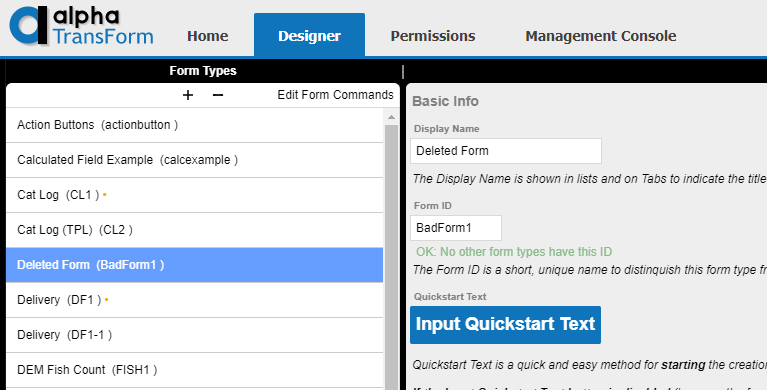 Traditional Kaizen documentation relies heavily on paper forms, clipboards, and binders, creating friction at every step. Teams waste time consolidating information instead of solving problems, and follow-up tracking becomes an administrative burden that nobody wants to handle.
Healthcare facilities with poor WiFi or spotty cell coverage face additional challenges, as many Kaizen activities take place in basements, operating rooms, and other areas where connectivity fails.
We built Alpha TransForm to transform paper-based Kaizen documentation into mobile apps that healthcare teams can deploy in hours without any IT involvement. Operations leaders who understand their processes can build custom mobile apps for data collection that match their specific workflows exactly as needed. Some key features include:
Alpha TransForm enables healthcare operations leaders to digitize Kaizen documentation in hours without
IT involvement, using offline-first technology and purpose-built data collection features.
- Offline-First Technology: Our offline-first architecture keeps everything working regardless of network conditions, so teams can conduct Gemba walks and capture photos, timestamps, and observations in real-time, even in dead zones.
- Rapid Digitization: Operations leaders turn existing paper forms into mobile apps in hours by uploading a PDF template or starting from scratch, customizing fields and logic, then deploying to tablets or smartphones immediately.
- Purpose-Built Features: Photo capture documents the current state, barcode scanning tracks equipment and inventory, GPS timestamps prove when and where observations occurred, and digital signatures replace paper forms.
- Real-Time Dashboards: Data flows automatically into dashboards that show progress against goals, and reports generate instantly rather than waiting for someone to compile spreadsheets manually.
- Seamless Integration: Alpha TransForm connects to electronic health records, facility management systems, quality databases, and communication platforms that hospitals already use.
Alpha TransForm helps you remove the friction from data collection and make information immediately accessible to everyone who needs it. Kaizen events become more effective and sustainable.
Frequently Asked Questions (FAQs)
What makes a Kaizen event different from other improvement projects?
Kaizen events compress improvement work into focused 2–5 day sessions with cross-functional teams addressing specific process problems. This concentrated effort creates urgency and maintains momentum that longer projects often lose.
The rapid cycle from problem identification to tested solutions keeps teams engaged and produces visible results quickly, building support for a continuous improvement culture.
How do healthcare facilities measure the success of Kaizen events?
Success metrics should be defined before the event begins and directly tied to the problem being addressed. Common healthcare Kaizen measurements include patient wait times, medication error rates, operating room turnover duration, supply costs, infection rates, staff overtime hours, and patient satisfaction scores.
Teams collect baseline data, implement improvements, then measure again at 30, 60, and 90 days post-event.
Can small healthcare facilities with limited resources implement Kaizen?
Kaizen actually works exceptionally well for resource-constrained facilities because it emphasizes low-cost, low-risk changes that don't require capital investment. Small hospitals and clinics can start with single-department events focused on high-impact processes.
The time commitment is manageable, and teams include existing staff rather than external consultants.
How does digital documentation improve Kaizen outcomes compared to paper?
Paper documentation creates delays at every stage. Teams spend time transcribing handwritten notes, consolidating information from multiple clipboards, and manually entering data into tracking spreadsheets.
Digital tools like Alpha TransForm eliminate this friction by capturing data directly during Gemba walks. Photos document current state conditions immediately. Real-time dashboards show progress without waiting for someone to compile reports.
*Note: Pricing and/or product availability mentioned in this post are subject to change. Please check the retailer's website for current pricing and stock information before making a purchase.






Comment