What is quality control software used for in manufacturing?
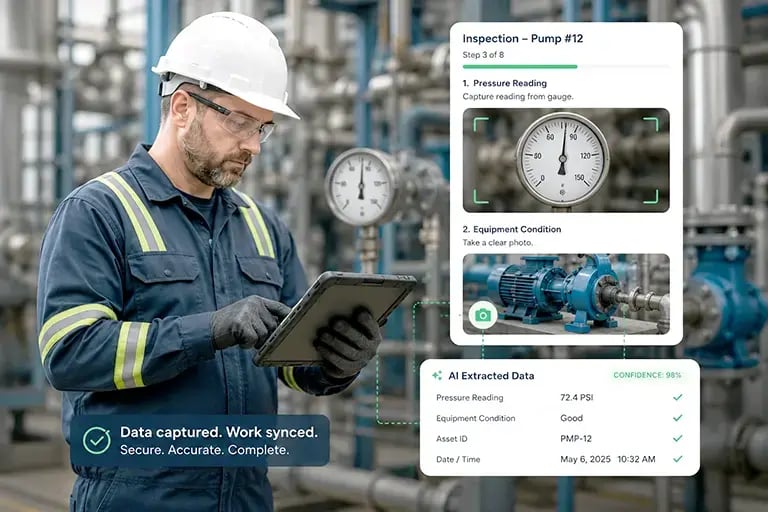
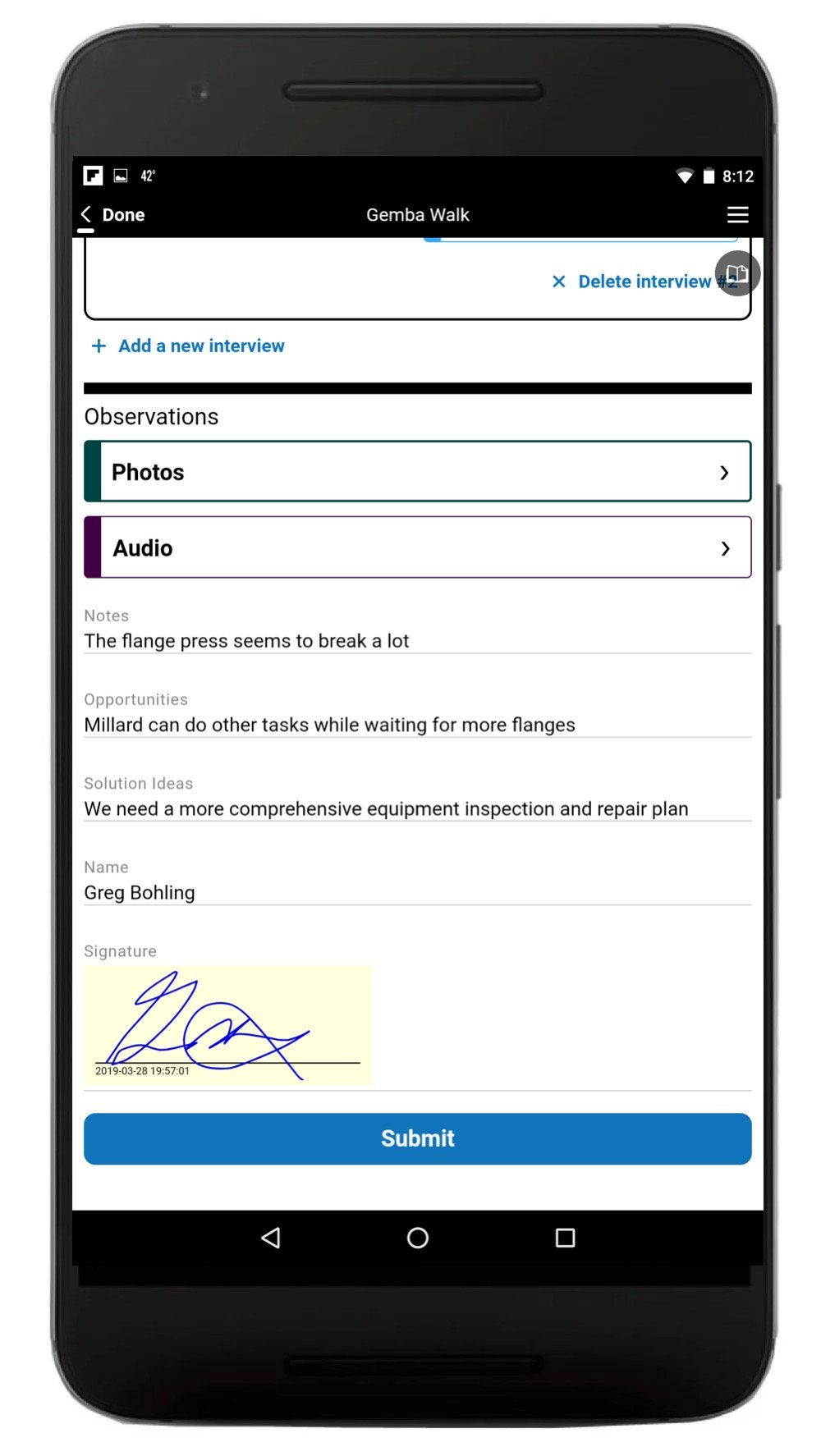
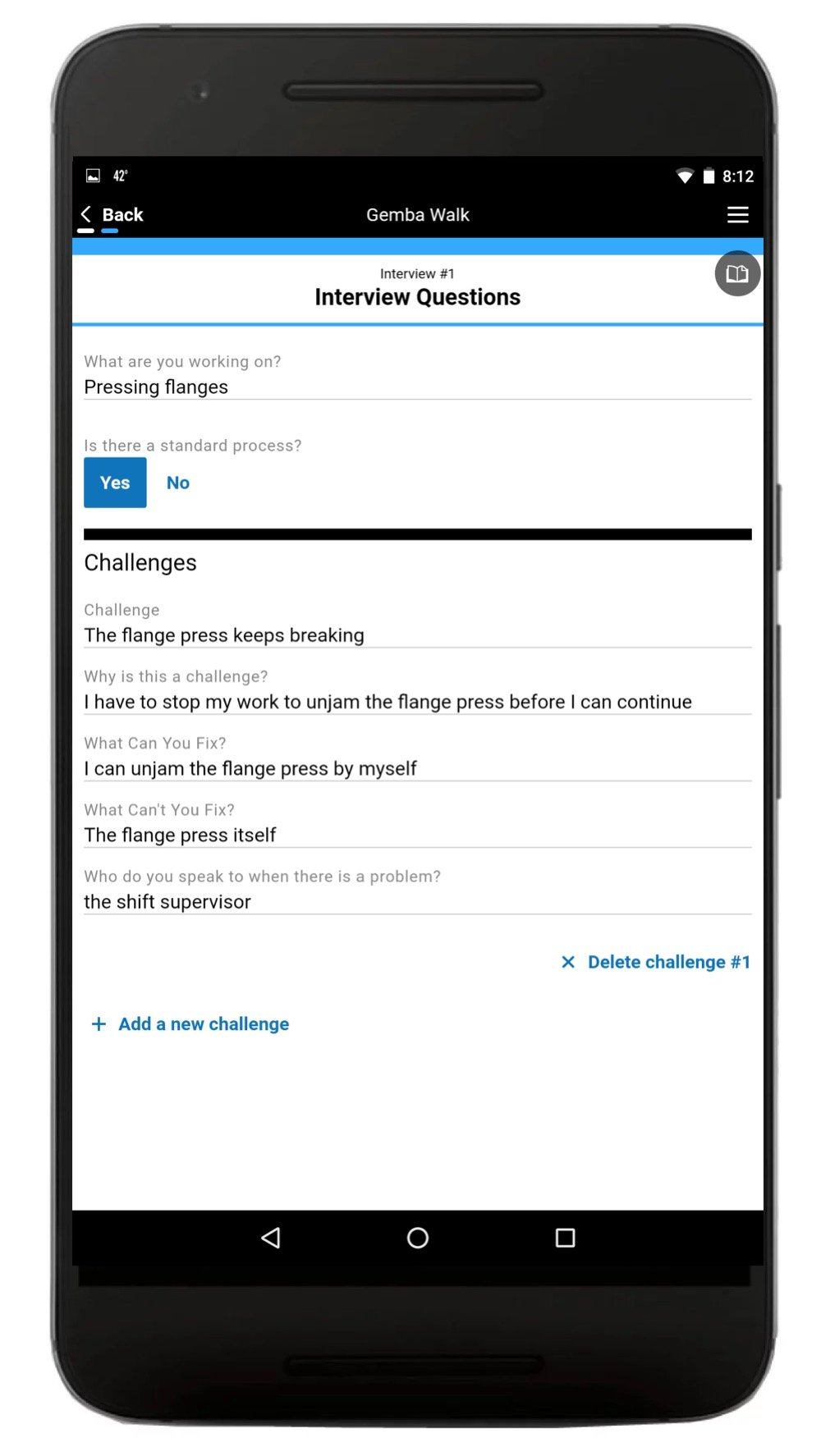
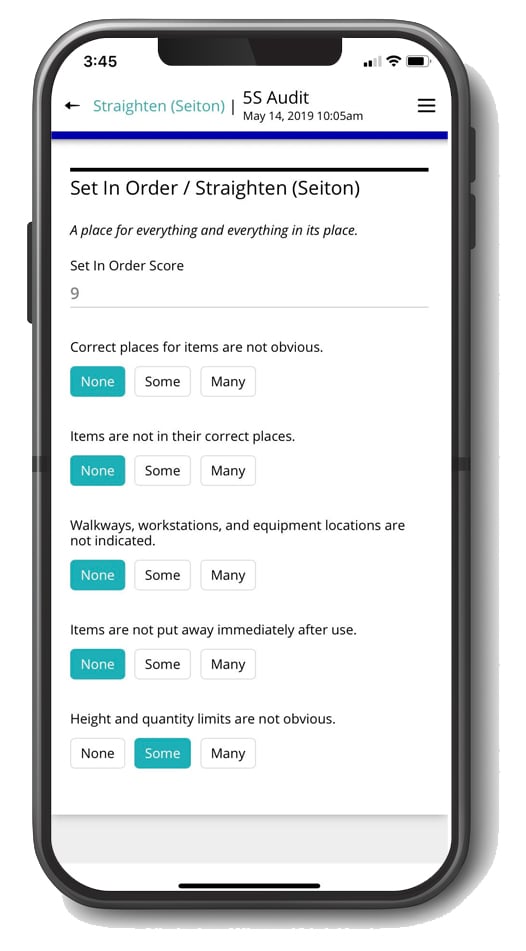
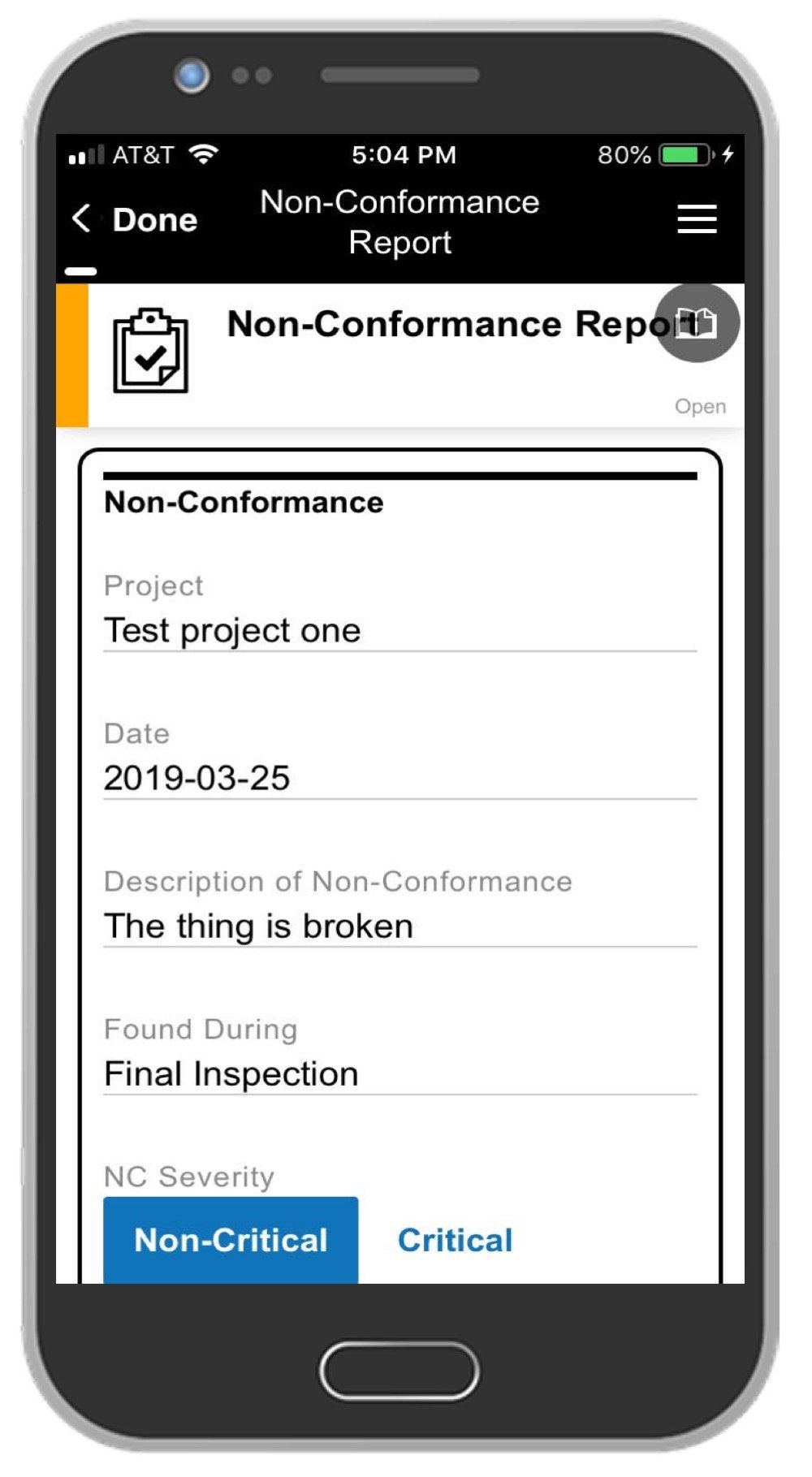
Quality control software is used to digitize and standardize inspections across the production line. Manufacturers use it to log defects, run checklists on mobile devices, trigger alerts when readings fall out of spec, manage corrective actions, and produce audit-ready reports. The goal is fewer defects, faster inspections, and consistent compliance.
What is the difference between quality control software and quality assurance software?
Quality control software inspects the product. It captures defect data, runs checklists, and verifies finished output meets spec. Quality assurance software focuses on the process, managing SOPs, training records, process audits, and the procedures that prevent defects in the first place. Most quality management systems use both.
What features should manufacturing quality control software include?
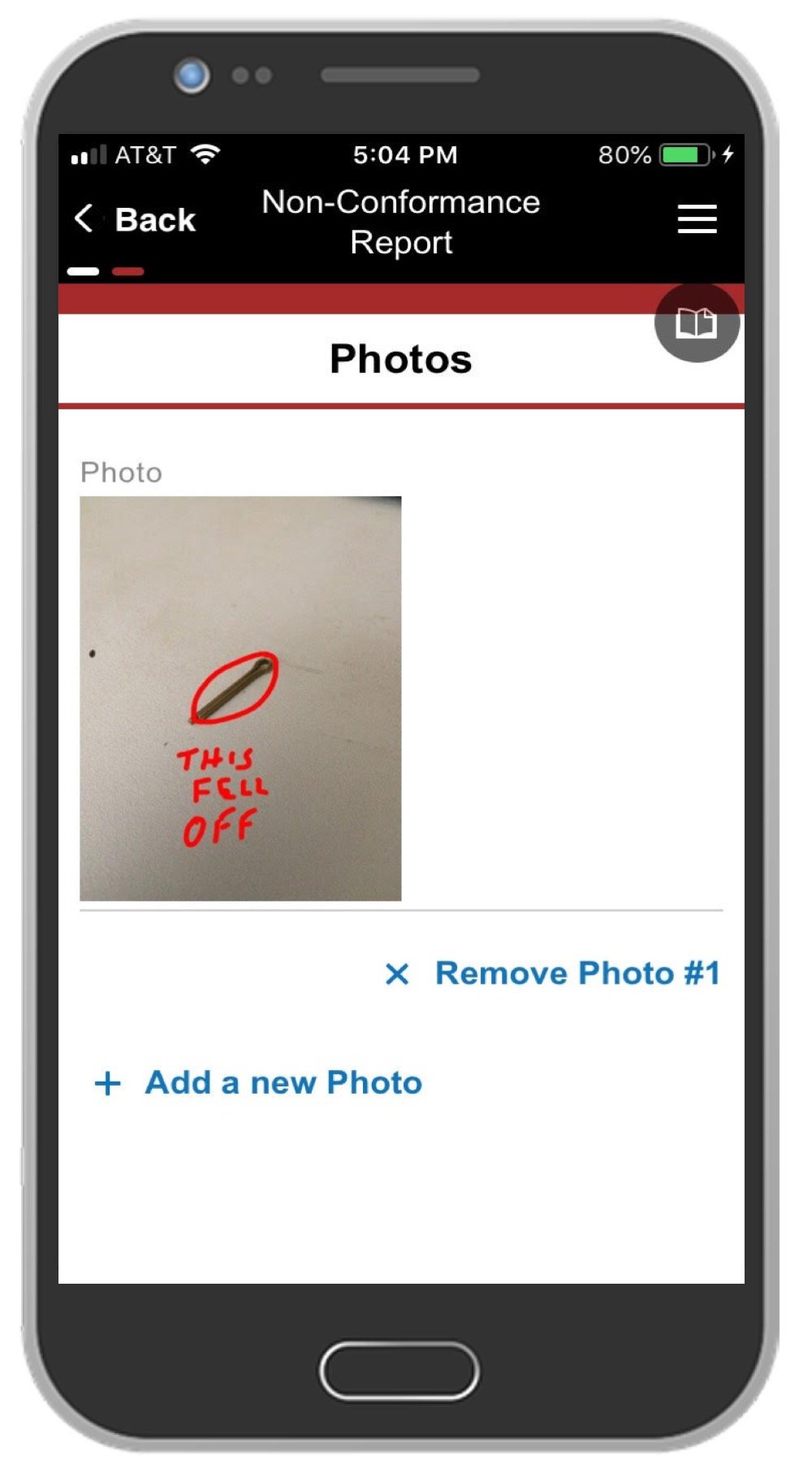
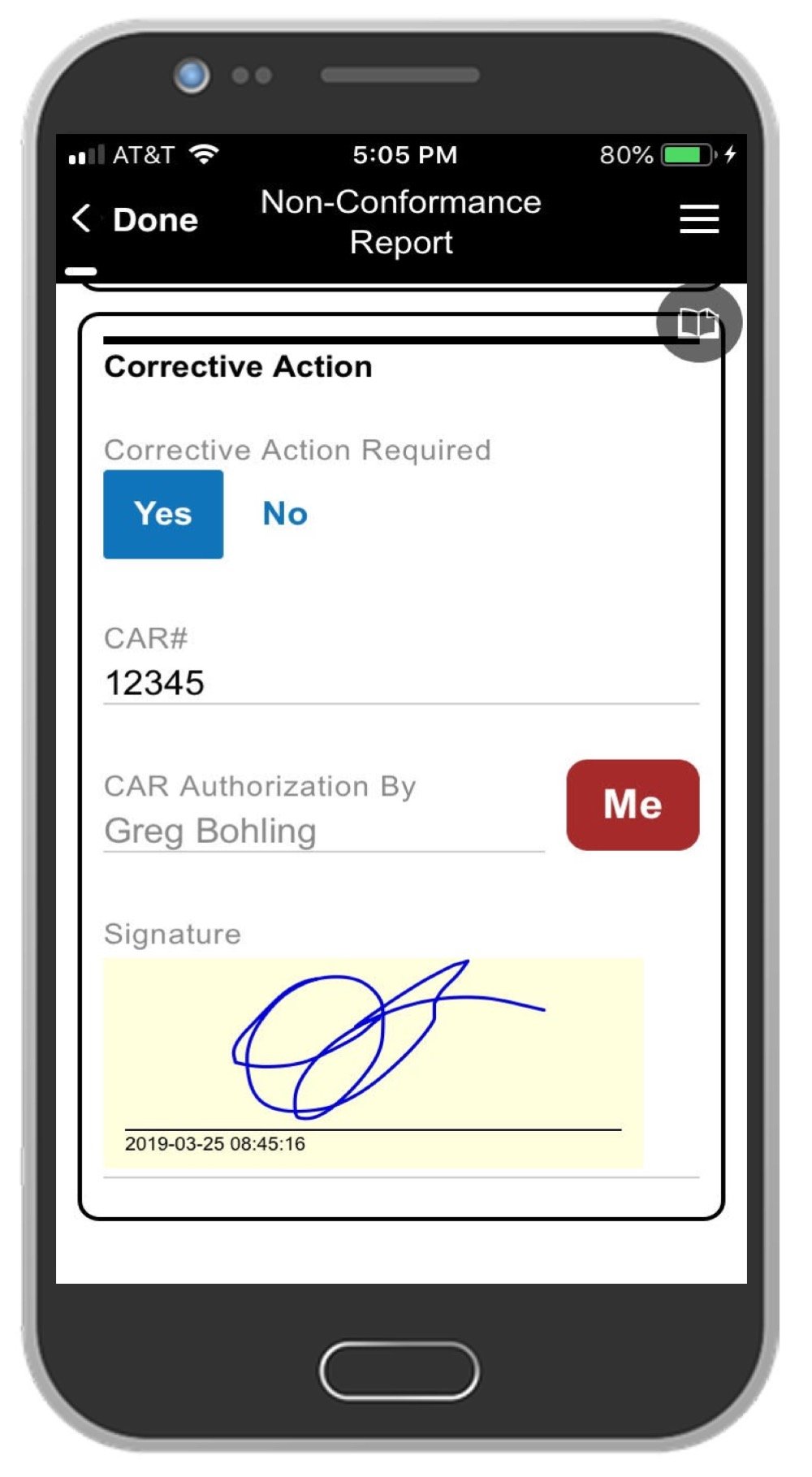
At minimum: digital checklists, photo and barcode capture, real-time alerts, offline mode, CAPA workflow, dashboards, document control, audit trails, ERP and MES integration, and role-based access. Platforms missing offline mode or CAPA tracking are generally not production-ready for regulated manufacturing.
Who uses quality control software?
Quality managers, plant managers, compliance officers, line operators, and quality inspectors are the primary users. In larger organizations, supplier quality engineers and auditors also use it for incoming inspections and supplier scorecards.
Does quality control software work offline?
Production-grade platforms work fully offline. Inspections, photo capture, and form completion all function without connectivity, and data syncs automatically when the device reconnects. This is essential for shop floors, warehouses, and remote inspection sites with unreliable signal.
How does quality control software help with ISO compliance?
It maintains the documentation and audit trail required by ISO 9001 and ISO 13485: versioned procedures, time-stamped inspection records, user attribution, CAPA history, and e-signatures. Auditors can pull a complete record of any inspection, defect, or corrective action on demand.
What is a quality control inspection app?
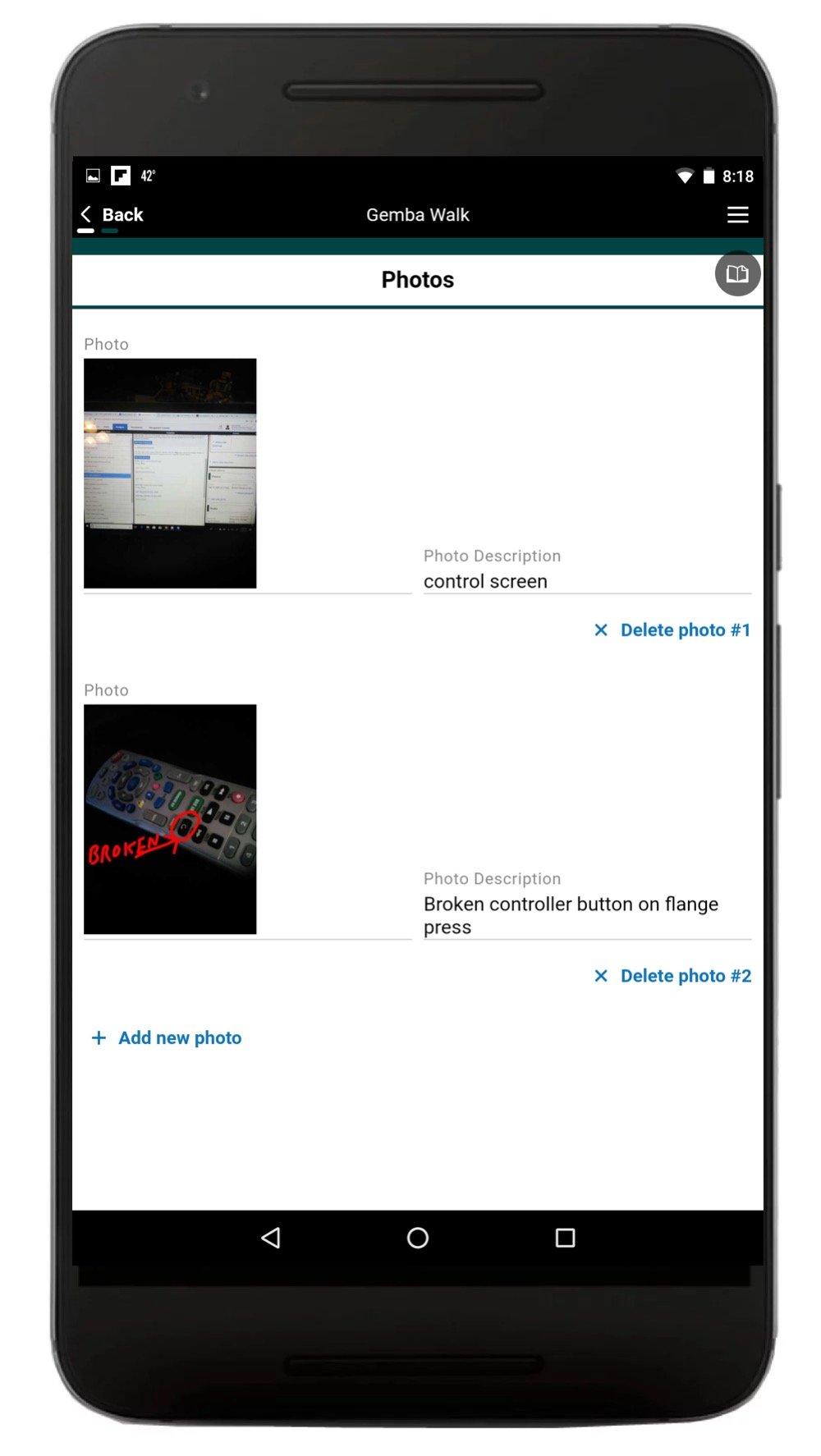
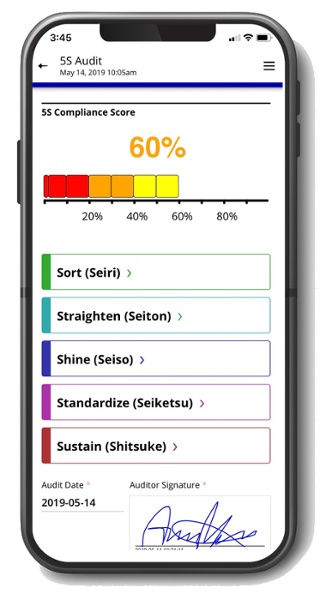
A quality control inspection app is a mobile or tablet application that lets inspectors complete checklists, capture defects with photos and barcodes, and submit results in real time. It replaces paper inspection forms and connects to a central QC platform where data is aggregated, analyzed, and reported.
How does quality control software improve First Pass Yield?
By catching defects earlier and feeding non-conformance data back to the line in real time. Operators are alerted to recurring defect patterns, root causes are identified faster through CAPA, and process adjustments happen within shifts rather than weeks. Documented FPY improvements of 15–40% are common after digitization.